>>

Tender chicken cooked low and slow in a creamy Thai-inspired peanut and coconut sauce—easy to make, perfect for weeknights, and great over rice, noodles, or lettuce wraps.
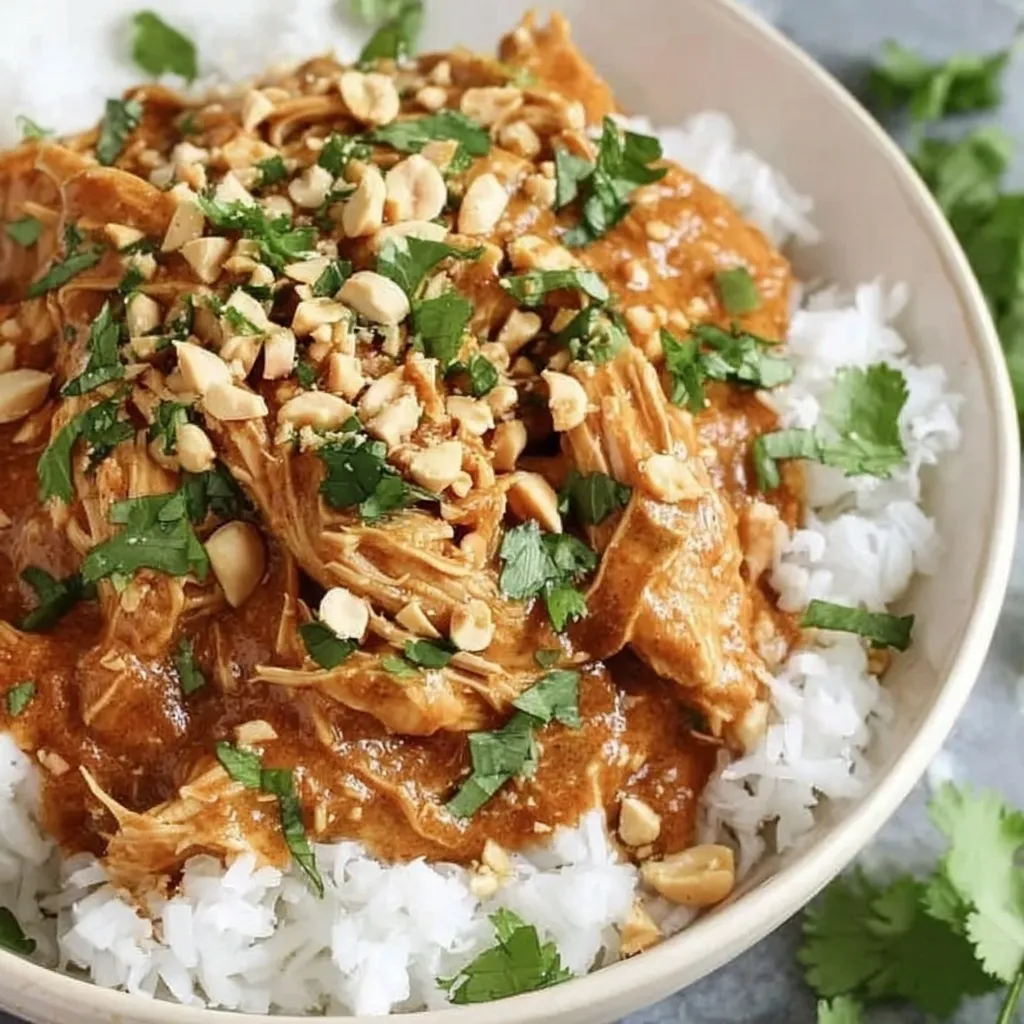
This Slow Cooker Thai Peanut Chicken has been one of those go-to dinners that rescued hectic weeknights and brightened weekend leftovers. I first developed this version on a busy week when I wanted the creamy, slightly spicy flavors of Thai peanut sauce without standing over the stove. The slow cooker does the heavy lifting: boneless skinless chicken breasts simmer gently in aromatic coconut milk, garlic, fish sauce and lime until the meat is tender enough to shred easily. Then the sauce is finished with natural peanut butter and honey for balance, producing a glossy, richly flavored coating that clings to every bite.
What makes this dish special is the contrast of textures and layers of flavor: the silky coconut-peanut sauce, the bright lift of lime and rice vinegar, a gentle umami from fish sauce and soy, and finally the crunchy peanuts and fresh cilantro on top. I remember serving this at a small family dinner—my youngest filled a lettuce cup piled high and announced it was "the best salad ever." That kind of reaction is what keeps this in my regular rotation. It’s simple enough for a novice cook yet flexible enough to dress up for company.
I’ve learned a few things while making this: always taste the sauce before finishing—you can tweak vinegar, lime or honey to balance acidity and sweetness—and don’t skip the peanuts on top for textural excitement. My partner loves it over sticky jasmine rice while I prefer it in butter lettuce for a fresher contrast.
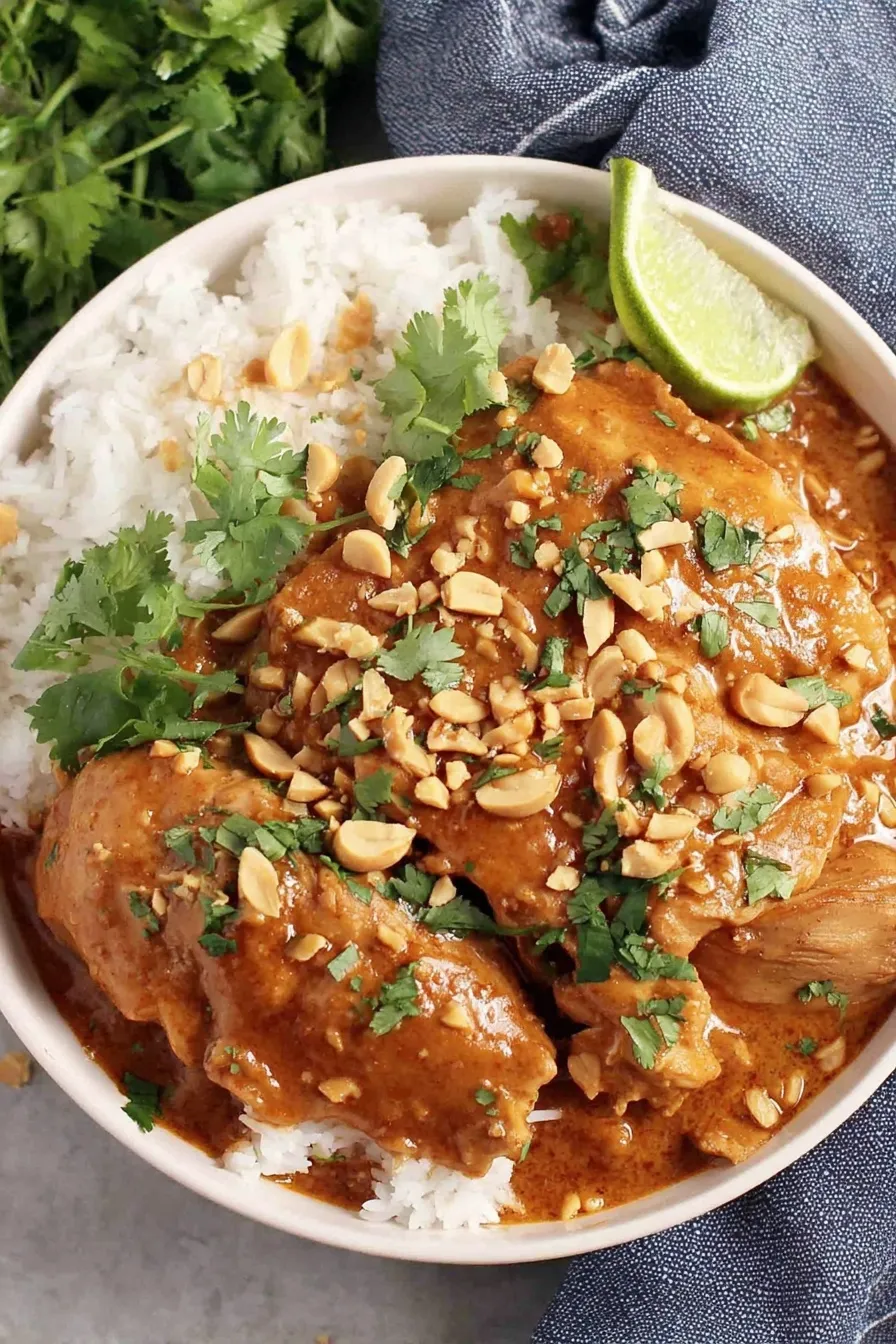
My favorite thing about this dish is how forgiving it is: if your chicken comes out a little dry, the sauce brings it back to life. I often make a double batch of sauce to keep in the fridge for quick weeknight meals—reheat and add to leftover grilled chicken or tofu for another quick meal.
Cool the chicken to room temperature before refrigerating, then transfer to airtight containers. In the fridge, the dish will keep well for 3–4 days. For longer storage, portion into freezer-safe containers or heavy-duty bags and freeze for up to 3 months; thaw overnight in the refrigerator. When reheating, do it gently on medium-low heat in a saucepan, adding a tablespoon of water or broth at a time to loosen the sauce and avoid splitting the coconut milk. Reheat leftovers just until warm to preserve texture and freshness of the herbs when serving.
If you don’t have fish sauce, add an extra tablespoon of soy sauce and 1 teaspoon of miso paste or anchovy paste for umami. For a dairy-free but nut-free option (allergy), sunflower seed butter replaces peanut butter at a 1:1 ratio; the flavor will be slightly greener but still creamy. Swap coconut milk for full-fat evaporated milk or a neutral cashew cream if you prefer less coconut flavor. Replace honey with maple syrup for a vegan option—adjust sweetness to taste.
Serve the chicken over steamed jasmine rice for a classic duo, or toss it with wide rice noodles and a handful of blanched snap peas for a noodle bowl. For low-carb eating, spoon into butter or Bibb lettuce leaves and top with pickled carrots, fresh cucumber ribbons and extra cilantro. Garnish with crushed roasted peanuts and lime wedges. For entertaining, serve family-style in a shallow bowl with bowls of rice and an array of sides so guests can assemble their own bowls.
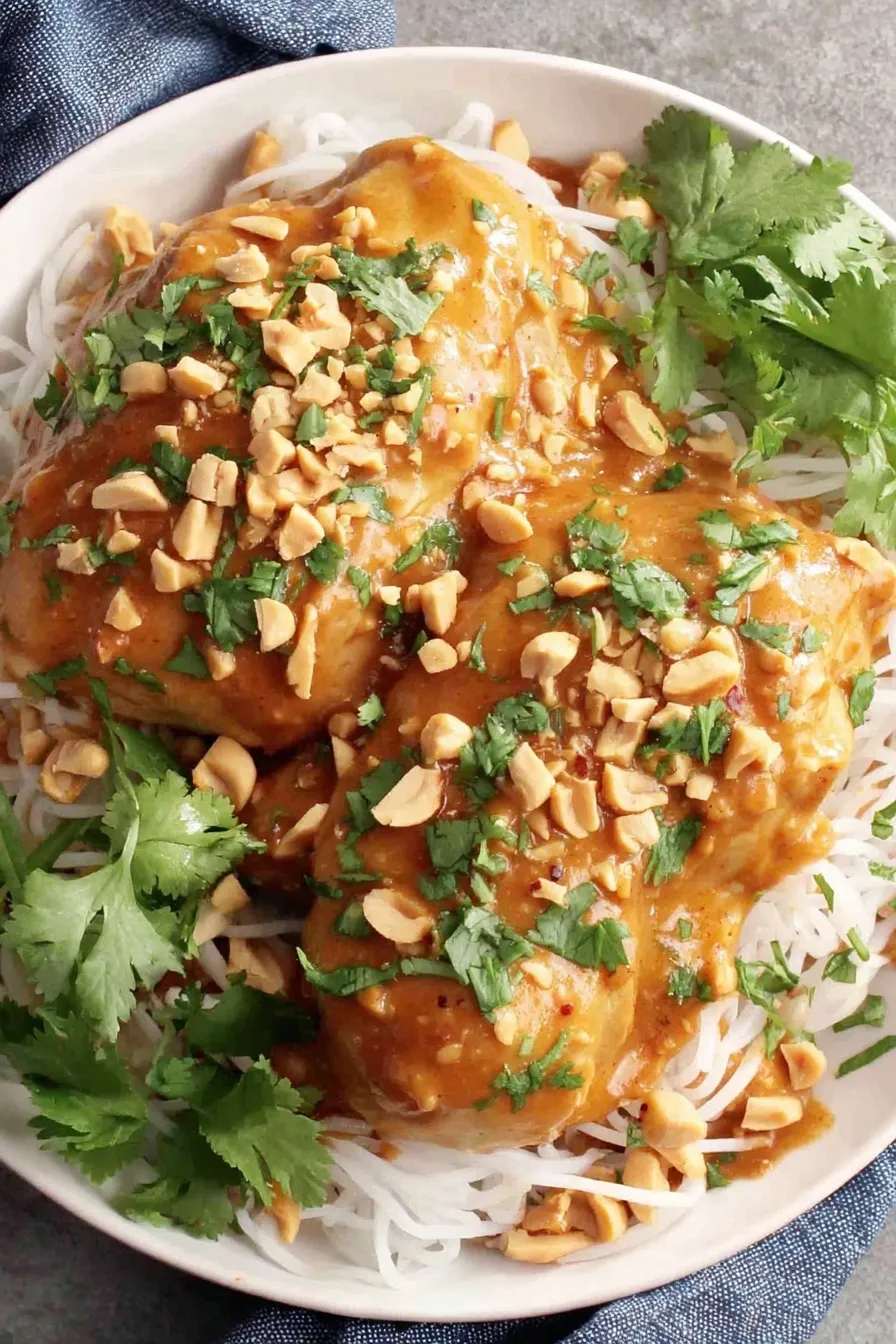
This dish takes inspiration from central Thai flavors—coconut, peanuts and lime are classic elements in Thai cuisine, often balanced with fish sauce for savory depth and palm sugar or honey for sweetness. While not a traditional Thai classic, this adaptation blends authentic components into a convenient slow-cooker format. Peanut-based sauces are particularly associated with satay and Thai noodle dishes, and the use of lime and rice vinegar provides the essential sweet-sour-salty-umami balance celebrated in Thai culinary tradition.
In summer, lighten the dish by serving in crisp lettuce cups with fresh cucumber and herb salad. Add charred summer corn or mango salsa for brightness. In cooler months, serve over warm coconut-infused rice and fold in roasted winter vegetables like sweet potato or butternut squash to make it heartier. You can also increase spice with fresh bird’s eye chiles in colder seasons when you crave extra warmth.
Make a double batch and portion into meal-prep containers with rice and a separate pouch of chopped cilantro and peanuts. Store the peanuts and herbs separately to keep them crisp. Reheat in the microwave covered for 2–3 minutes or on the stovetop over medium-low, stirring occasionally. The sauce improves slightly after a day in the fridge, so consider making this one day ahead for deepened flavor.
This slow cooker Thai peanut chicken is comforting, flexible, and reliably delicious—whether you need a fuss-free weeknight meal or a dish to feed a small crowd. Take a moment to taste and adjust the sauce at the end; a squeeze of lime or pinch more salt can transform it. Enjoy making it your own and sharing it at the table.
Warm the coconut milk slightly before whisking with peanut butter to make a smoother emulsion and avoid lumps.
Taste the sauce and balance with lime, vinegar or honey—a tiny adjustment transforms the final flavor.
Shred chicken with two forks or use a stand mixer on low for 30–45 seconds to save time and get consistent pieces.
If the sauce is too thin after finishing, remove the lid and cook on HIGH for 10–15 minutes to reduce and thicken.
Toast the peanuts briefly in a dry skillet for extra aroma before chopping and using as garnish.
This nourishing slow cooker thai peanut chicken recipe is sure to be a staple in your kitchen. Enjoy every moist, high protein slice — it is perfect for breakfast or as a wholesome snack any time.
Yes—store leftovers in an airtight container in the refrigerator for up to 4 days or freeze for up to 3 months. Reheat gently and add a splash of water if the sauce tightens.
Use tamari instead of soy sauce and confirm your fish sauce is gluten-free. Alternatively omit fish sauce and add extra tamari and a small amount of miso.
Yes—use sunflower seed butter or tahini in place of peanut butter for a nut-free adaptation, though the flavor profile will differ slightly.
This Slow Cooker Thai Peanut Chicken recipe makes perfectly juicy, tender, and flavorful steak every time! Serve with potatoes and a side salad for an unforgettable dinner in under 30 minutes.
Place seasoned chicken breasts in the slow cooker with 1/2 cup chicken broth. Cover and cook on LOW for 4–6 hours until the chicken reaches 165°F and shreds easily.
Remove the chicken, shred using two forks or a stand mixer, discard the cooking liquid, and wipe the slow cooker clean to prepare for the sauce.
Whisk together coconut milk, peanut butter, garlic, honey, soy sauce, lime juice, rice wine vinegar, fish sauce and red pepper flakes until smooth and glossy.
Return shredded chicken to the slow cooker, pour sauce over, stir to coat, then cover and cook on LOW for 45–60 minutes until the sauce thickens, stirring halfway through.
Serve over rice, rice noodles or in lettuce wraps. Garnish with chopped peanuts, fresh cilantro and extra lime or crushed red pepper if desired.
Last Step: Please leave a rating and comment letting us know how you liked this recipe! This helps our business to thrive and continue providing free, high-quality recipes for you.
Leave a comment & rating below or tag
@royalmorsel on social media!
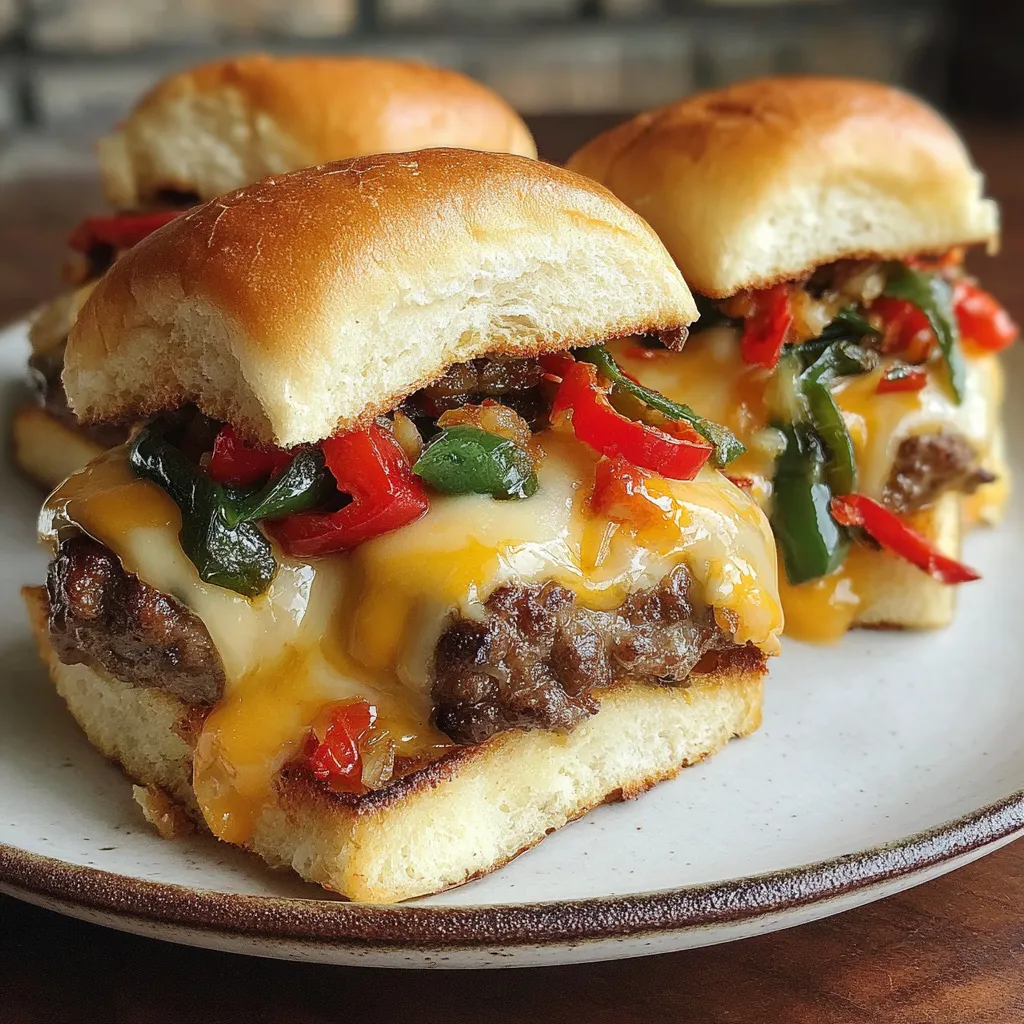
Juicy beef, sweet-charred peppers, and a silky queso drizzle turn these sliders into the ultimate crowd-pleasing bite for game day or weeknight fun.
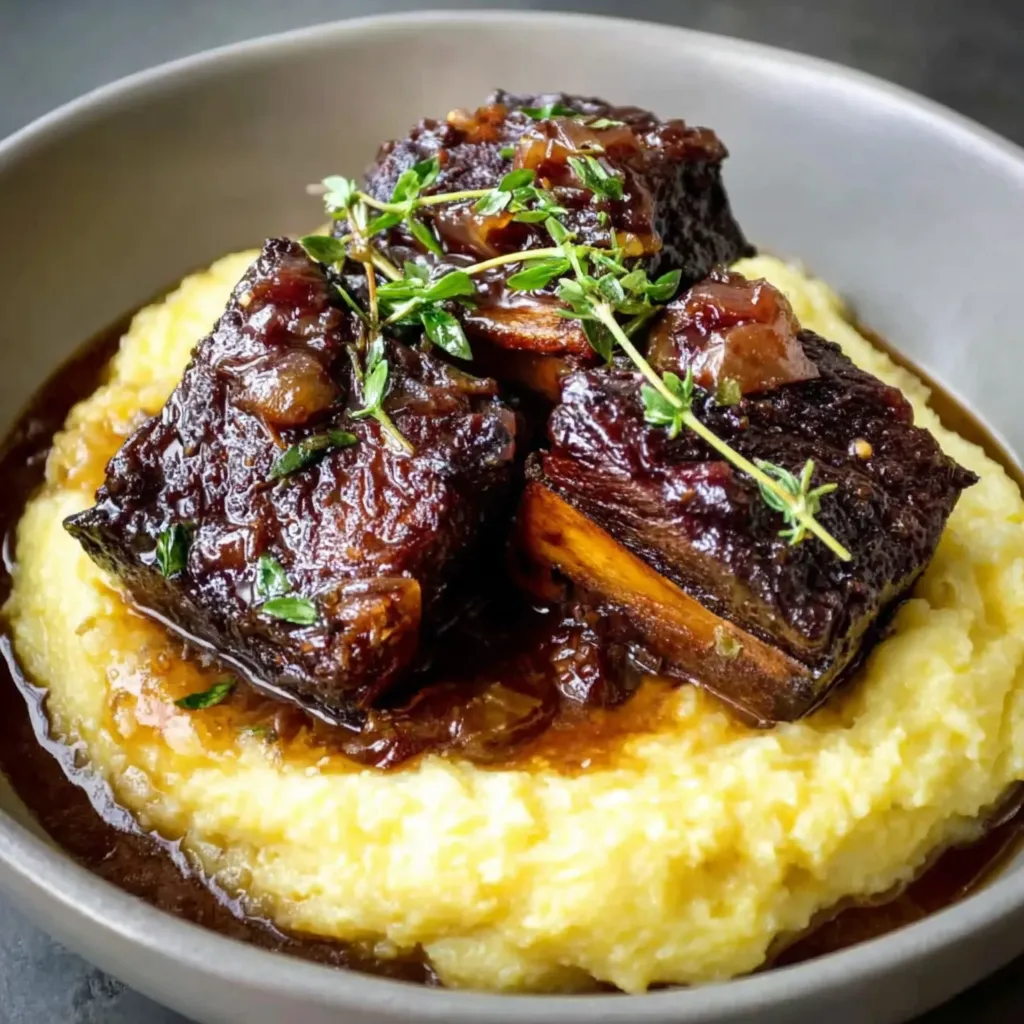
Melt-in-your-mouth braised short ribs nestled over creamy garlic mashed potatoes, all in a rich, herb-scented sauce that feels like a warm hug.
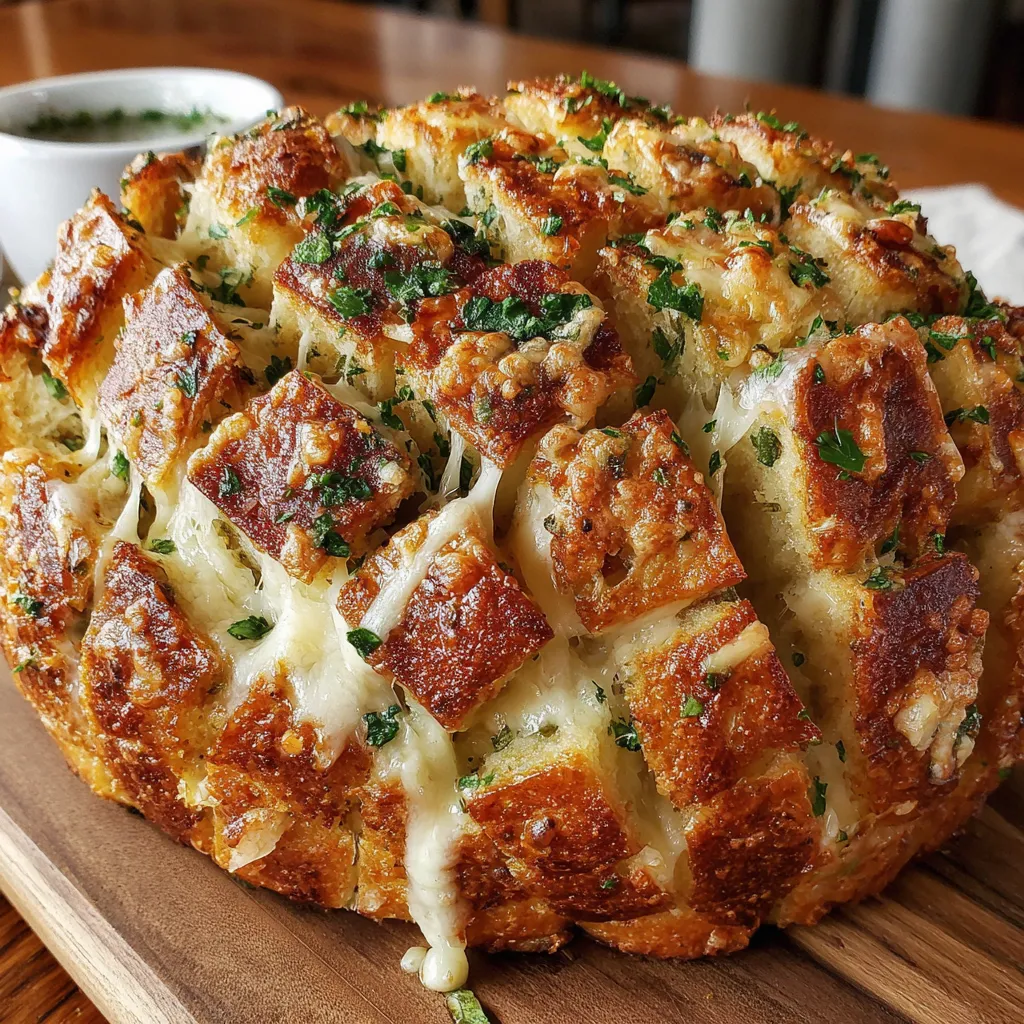
Golden, garlicky pull-apart loaf swaddled in buttery herbs and stretchy mozzarella that begs to be shared warm from the oven.
Leave a comment & rating below or tag @royalmorsel on social media!
Enjoyed this recipe? Share it with friends and family, and don't forget to leave a review!
This recipe looks amazing! Can't wait to try it.
Comments are stored locally in your browser. Server comments are displayed alongside your local comments.

Join to receive our email series which contains a round-up of some of our quick and easy family favorite recipes.