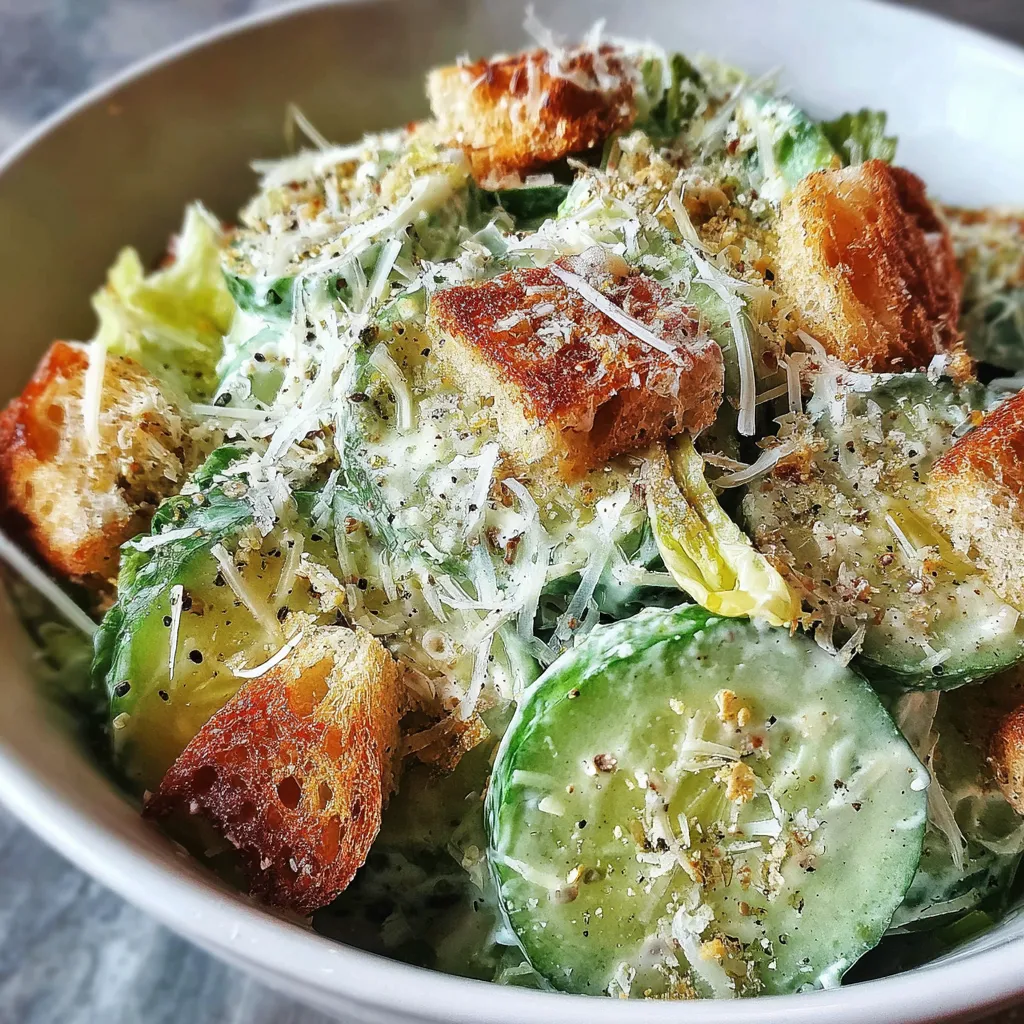
>>

Tender hand-rolled dumplings filled with mashed potatoes, farmer’s cheese, and sweet sautéed onions — a beloved Polish comfort classic perfect for family dinners.
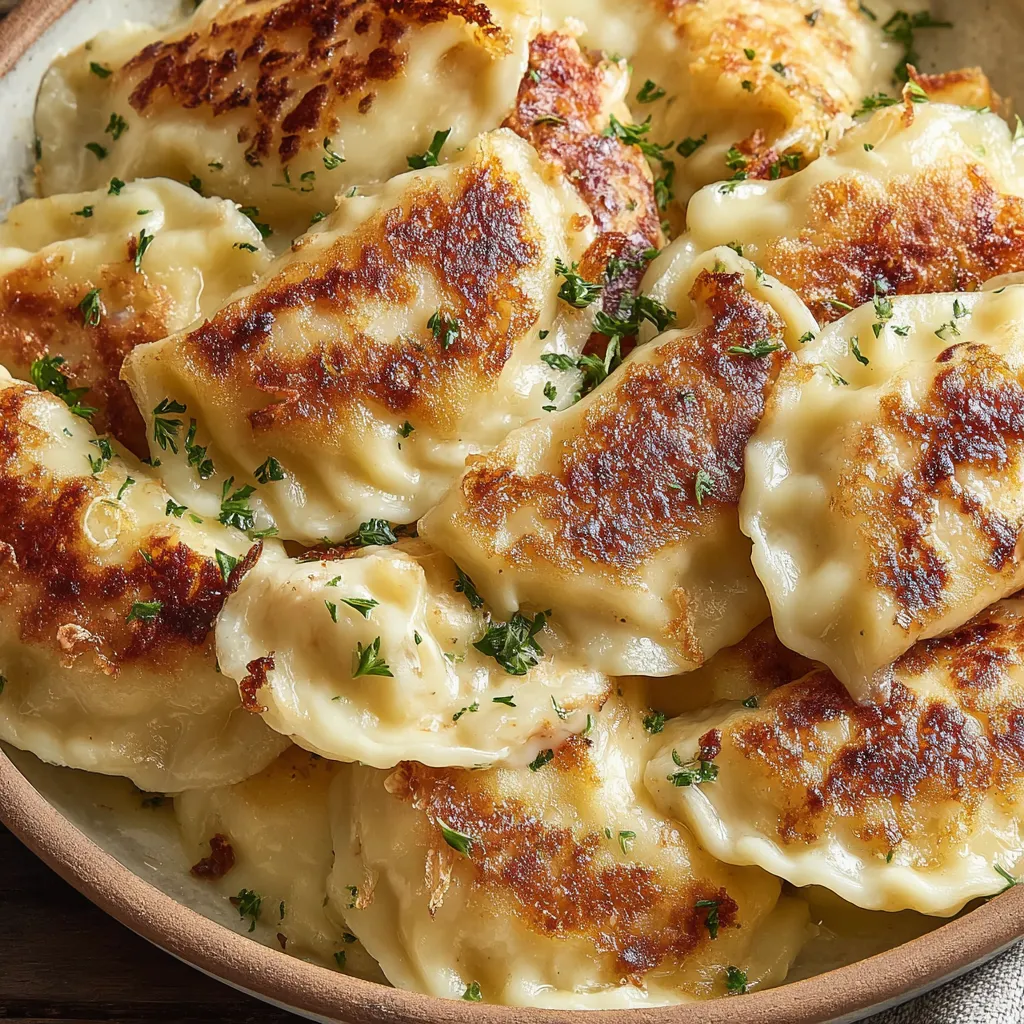
This version of pierogi ruskie has been my anchor on cold evenings and celebratory family tables alike. I first learned this combination of pillowy dough and a humble potato-cheese filling from my grandmother’s handwritten notes, scribbled with little tips about texture and timing. The result is simple yet deeply satisfying: a soft, slightly chewy shell giving way to creamy, savory mashed potatoes joined with tangy farmer’s cheese and sweet, translucent onions. Every bite carries a contrast of textures and a warm, homely flavor that brings everyone to the table.
I discovered how important small details are while making these at a community cooking day: the dough temperature, the way the filling is cooled, and how long to cook the potatoes all change the final texture. Once I adjusted those elements, the dumplings became reliably tender and never gummy. They are an excellent project for a weekend afternoon when you can make a big batch, teach a friend or child how to fold, and enjoy the ritual of forming each crescent by hand. Serve them simply with butter and fried onions, or pan-sear them for a crisp finish.
On the first Sunday I served these to a skeptical teenager, they went back for seconds and asked when I would make them again. The combination of familiar potato and cheese is one of those universal comforts that travels across generations, making these dumplings a frequent request at holidays and quiet weeknights alike.
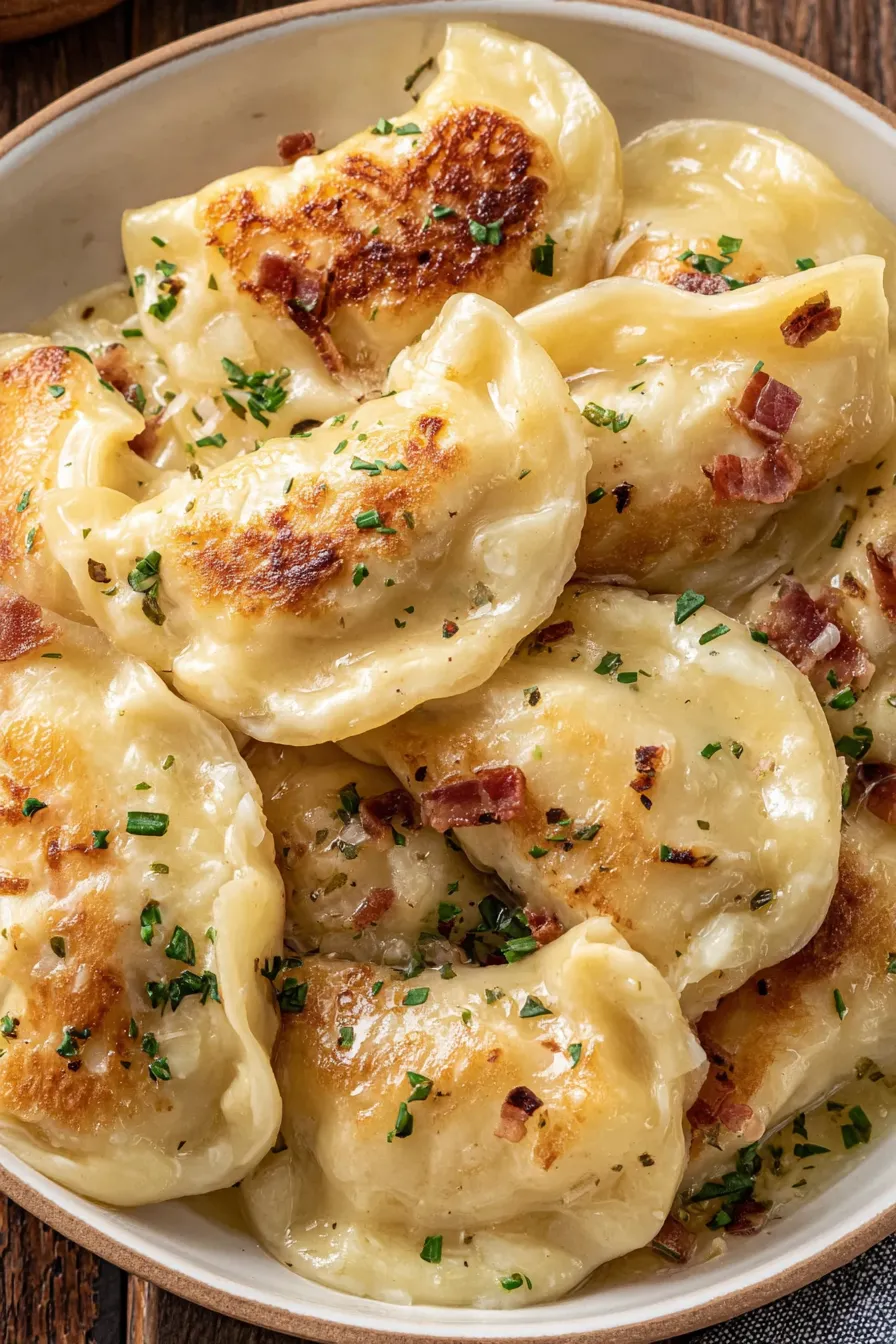
My favorite part is the sound of a pan-seared pierogi when it hits hot butter — a gentle sizzle that signals contrast between a tender interior and a golden, slightly crisp exterior. Family members often argue about whether boiled or pan-fried is superior; both are worth trying.
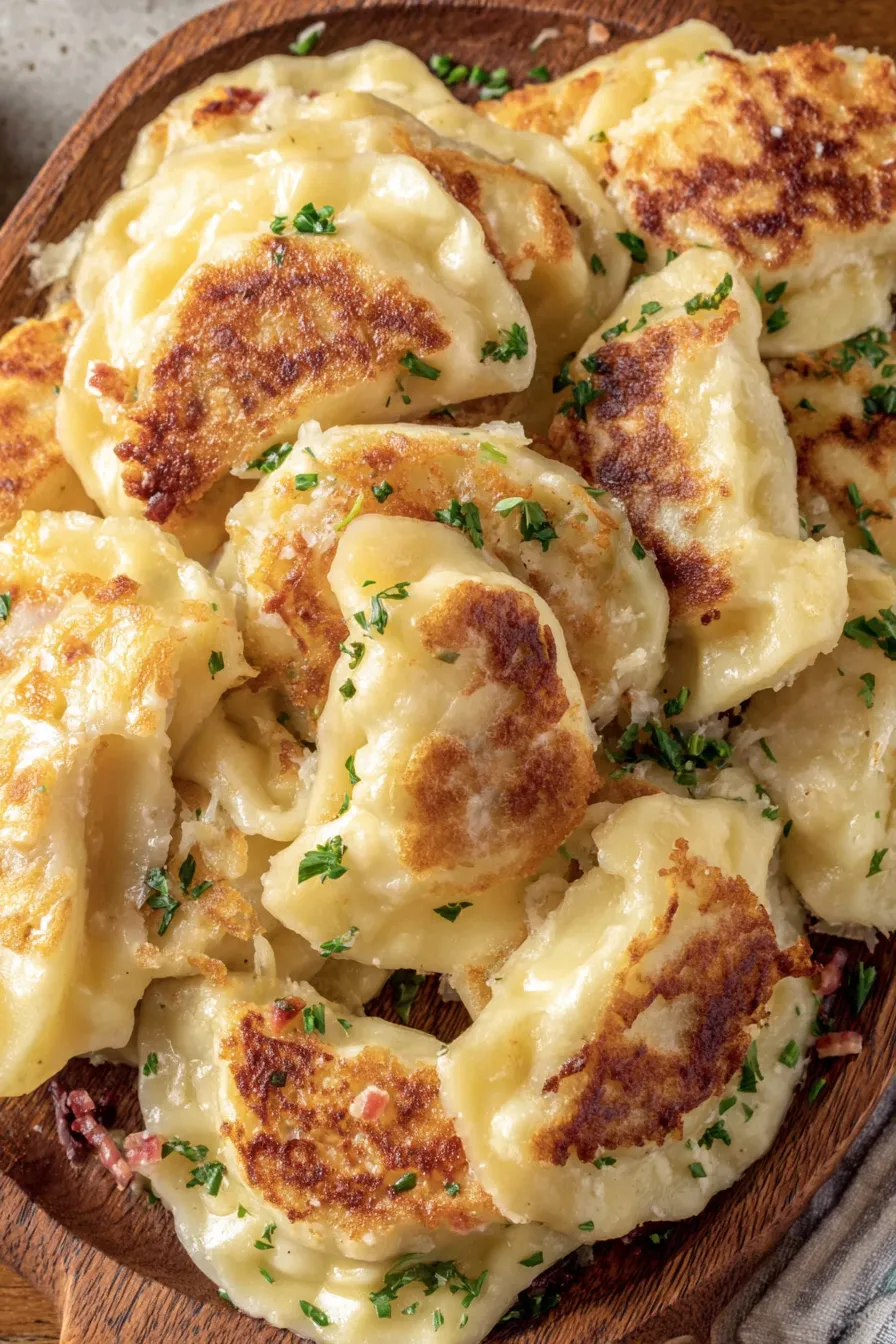
Store cooked dumplings in an airtight container in the refrigerator for up to 3 days. To reheat, toss gently in a skillet with butter over medium heat until warmed through and edges crisp, or simmer briefly in salted water. For long-term storage, freeze uncooked dumplings on a tray until solid, then transfer to a freezer bag for up to 3 months. When cooking from frozen, add an extra 1 to 2 minutes to the boiling time once they float.
If you cannot find twaróg, use well-drained ricotta mixed with a tablespoon of strained plain yogurt for tang, or use drained, pressed cottage cheese. For a dairy-free option, replace cheese with a firm tofu pressed and crumbled, and use oil instead of butter in the dough. Swap up to half the all-purpose flour with whole wheat for a nuttier flavor, but expect a firmer texture and slightly darker color.
Serve simply with browned butter and a generous pile of fried onions, or spoon sour cream at the side for dipping. For a heartier meal, pair with a simple green salad dressed with apple cider vinegar and dill, or alongside braised cabbage and kielbasa for a full Polish-inspired plate. Garnish with chopped chives or crisp bacon bits for contrast.
Pierogi ruskie originate from Eastern Europe and are a staple in Polish homes, traditionally associated with family gatherings and winter holidays. The name refers to a filling style from the eastern regions, not Russia directly. Over generations, these dumplings evolved into countless regional variations, each household guarding its own little adjustments to dough hydration and cheese selection.
In autumn, add roasted pumpkin to the filling and balance with nutmeg and sage for a seasonal twist. Spring calls for fresh herbs folded into the cheese, while winter is perfect for richer, heartier accompaniments like sauerkraut or roasted root vegetables. For holidays, make large batches and freeze portions for last-minute celebrations.
Make the filling two days ahead and keep chilled. Roll dough and cut circles the day you plan to serve, then assemble in the morning and refrigerate or freeze. Cooked dumplings reheat well in a skillet; pan-frying just before serving yields the best texture. Use shallow, stackable containers to avoid crushing and keep surfaces floured to prevent sticking during assembly.
Making pierogi ruskie is as much about the process as it is the result: sharing the work, the stories, and the table creates memories. Give yourself time for each step and savor both the making and the eating.
Use starchy potatoes such as Russets or Yukon Gold and mash them hot for the smoothest filling.
Chill the filling portions briefly to make shaping easier and reduce leaking during cooking.
Freeze uncooked dumplings on a tray before transferring to a bag so they keep their shape.
Avoid overworking the dough; rest it 30 minutes to relax gluten and improve tenderness.
This nourishing pierogi ruskie — potato and cheese dumplings recipe is sure to be a staple in your kitchen. Enjoy every moist, high protein slice — it is perfect for breakfast or as a wholesome snack any time.
This Pierogi Ruskie — Potato and Cheese Dumplings recipe makes perfectly juicy, tender, and flavorful steak every time! Serve with potatoes and a side salad for an unforgettable dinner in under 30 minutes.
In a large bowl combine 4 cups flour and 1 teaspoon salt. Heat 1 1/6 cups water with 3 tablespoons butter until very hot but not boiling (175–195°F). Pour into flour and stir until it begins to come together, creating a warm, shaggy dough.
Knead by hand or with a mixer for about 5 minutes until smooth and elastic. Adjust with small amounts of water or flour if necessary. Wrap in plastic and rest 30 minutes to relax the gluten.
Boil peeled potatoes in salted water until tender. Drain and mash thoroughly while hot; use a ricer for a very smooth texture. Allow to cool slightly before combining with cheese.
Dice onions and sauté in 2 tablespoons oil over medium-low heat for about 10 minutes until soft and translucent. Avoid browning; you want sweetness without caramelization.
Combine mashed potatoes, 2 1/4 cups farmer’s cheese, and sautéed onions in a large bowl. Season generously with salt and freshly ground black pepper. Portion into small balls of about 20 g or use a rounded teaspoon.
Divide dough into four pieces. Roll each to about 1/16 inch thickness (2 mm) and cut circles with a 2 3/4 inch cutter. Re-roll scraps sparingly to maintain tenderness.
Place a portion of filling in the center of each circle, fold over to form a half-moon, and pinch the edges firmly to seal. Crimp with a fork if desired. Cover formed dumplings with a cloth to prevent drying.
Boil salted water in a large pot. Add dumplings in batches so they do not stick. Once they float, cook 1–2 minutes longer. Remove with a slotted spoon, drain well, and toss with melted butter to prevent sticking.
Last Step: Please leave a rating and comment letting us know how you liked this recipe! This helps our business to thrive and continue providing free, high-quality recipes for you.
Leave a comment & rating below or tag
@royalmorsel on social media!

Juicy beef, sweet-charred peppers, and a silky queso drizzle turn these sliders into the ultimate crowd-pleasing bite for game day or weeknight fun.
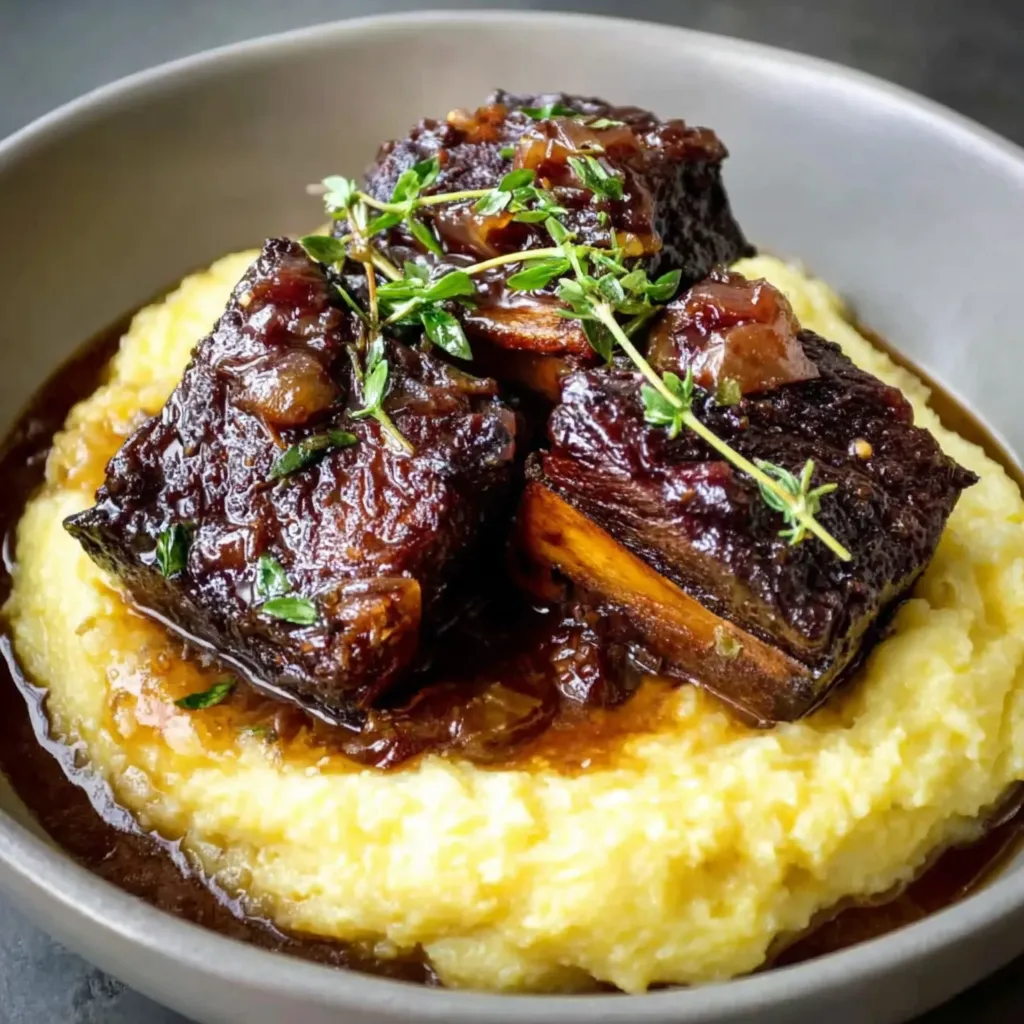
Melt-in-your-mouth braised short ribs nestled over creamy garlic mashed potatoes, all in a rich, herb-scented sauce that feels like a warm hug.
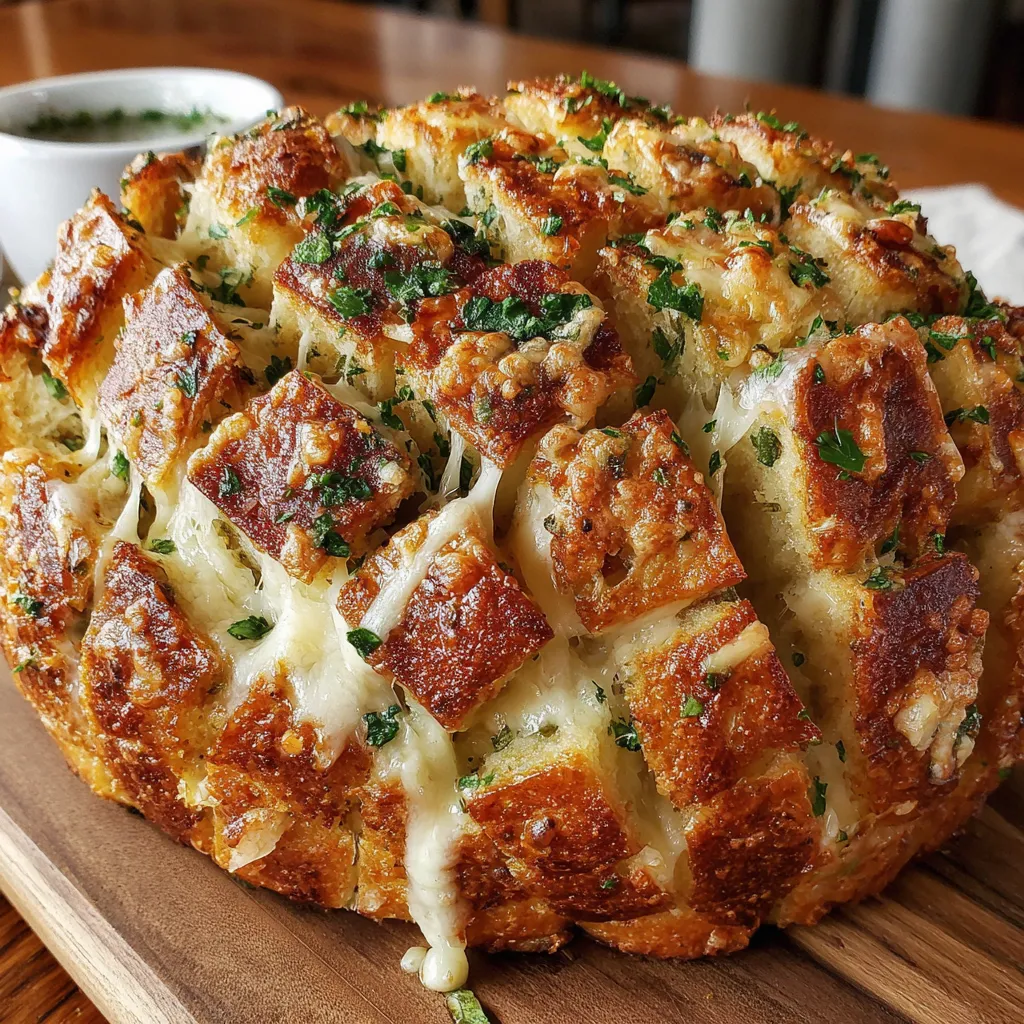
Golden, garlicky pull-apart loaf swaddled in buttery herbs and stretchy mozzarella that begs to be shared warm from the oven.
Leave a comment & rating below or tag @royalmorsel on social media!
Enjoyed this recipe? Share it with friends and family, and don't forget to leave a review!
This recipe looks amazing! Can't wait to try it.
Comments are stored locally in your browser. Server comments are displayed alongside your local comments.

Join to receive our email series which contains a round-up of some of our quick and easy family favorite recipes.