
Ham and Cheese Puff Pastry Pockets

Flaky pastry pockets filled with ham, Gruyère, and Dijon mustard, perfect warm appetizers that come together quickly and please any crowd.
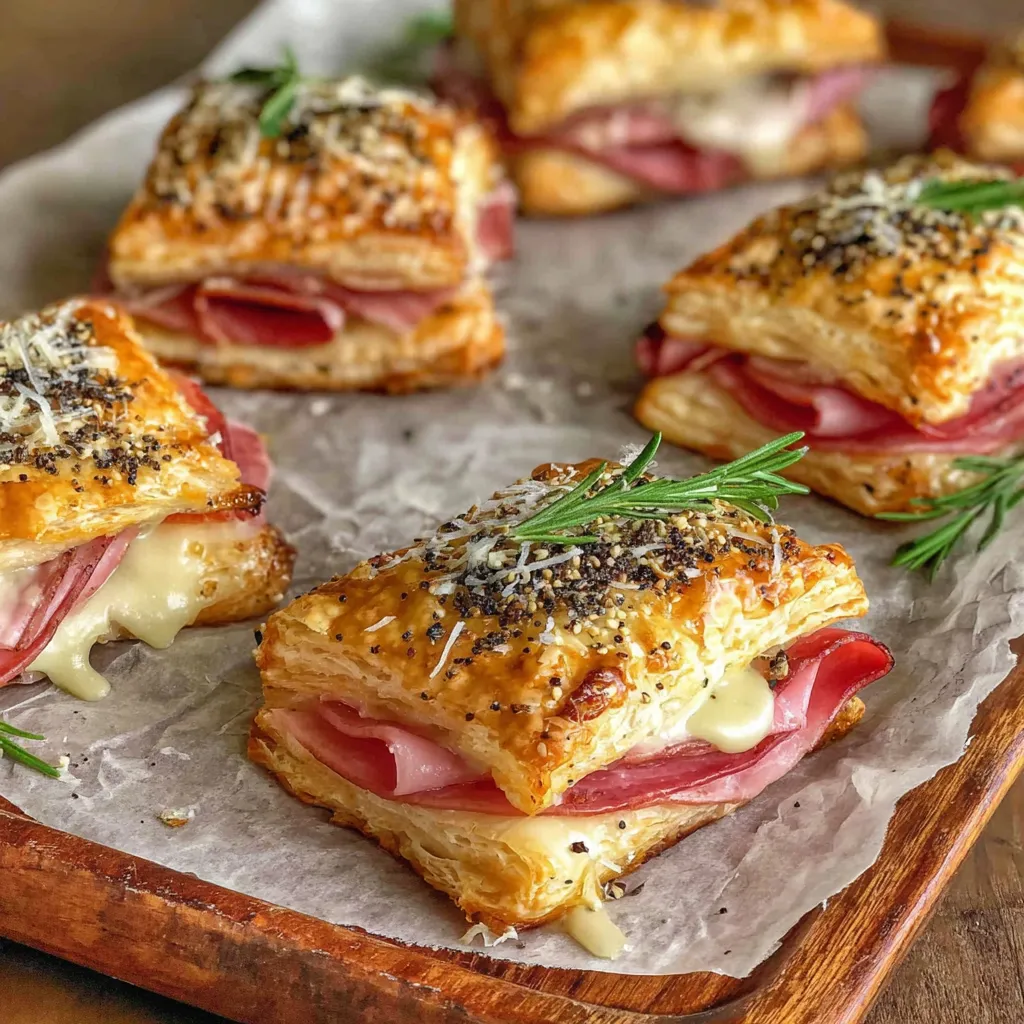
This recipe grew out of a need for something both elegant and effortless. I first put these together on a slow Sunday afternoon when guests arrived with little notice, and the puff pastry in my freezer felt like a shortcut to something special. The result was an immediate hit. The exterior is crisp and buttery, while the inside reveals molten Gruyère wrapped around a tender slice of ham and a whisper of Dijon mustard. Each bite is layered texture and savory comfort, the sort of appetizer that disappears long before the main course.
Whenever I want to impress with minimal fuss I reach for this combination. It works for holiday gatherings, casual get togethers, and as a portable snack for picnics. I like to assemble the pockets a little ahead and bake them just before guests arrive so the pastry is as flaky and warm as possible. Over the years I adjusted the amounts and technique to ensure consistent puff and neat seals, and I will share those tricks throughout this article so your batch comes out perfect every time.
Why You'll Love This Recipe
- Ready in about 35 minutes from start to finish when puff pastry is thawed, making it ideal for last minute entertaining.
- Uses pantry and fridge staples, including store bought puff pastry, deli ham, and sliced Gruyère, so shopping is quick.
- Hands on time is minimal, assembly is straightforward, and the oven does the transformative work for a flaky, golden finish.
- Customizable fillings let you cater to picky eaters, and the pockets travel well for potlucks and picnics.
- Make ahead to the point of baking and refrigerate, then brush with egg and bake for hot fresh pockets in 18 to 22 minutes.
I remember one afternoon when my kids and their friends arrived hungry. I made a double batch, and the room grew quiet except for exclamations of approval. My sister suggested serving a tangy mustard on the side, and that contrast has become part of the family ritual. These pockets are small wins in hospitality that turn any moment into something a little celebratory.
Ingredients
- Puff pastry: Use two thawed sheets of store bought puff pastry, about 17.3 ounces total, for consistent layering and reliable rise. Look for brands that say all butter if you want richer flavor, otherwise standard butter flavored pastry is fine.
- Ham: About 10 ounces of thinly sliced deli ham, folded for height. Choose a good quality, not overly salty ham, such as honey cured or Black Forest, to balance the cheese.
- Gruyère: Roughly 8 ounces of sliced Gruyère. This cheese melts beautifully, offering a nutty, slightly sweet profile. If you prefer, swap for Emmental or a mild Swiss.
- Dijon mustard: About one third cup, optional but recommended for brightness. Use a classic Dijon from a jar for even spreading and clean flavor.
- Egg wash: One large egg, whisked. This gives the pastry a shiny, deep golden top and helps the seams seal.
- Everything bagel seasoning: Optional, one to two teaspoons for a savory, textured finish. It adds sesame, onion, and garlic notes without extra work.
Instructions
Thaw the pastry:Remove the two sheets of puff pastry from the refrigerator and allow them to sit at room temperature until pliable, about 30 minutes. The sheets should not be sticky, but they need to be flexible enough to roll without cracking. Chilled but pliable pastry gives the best lift.Preheat and prepare:Preheat the oven to 220 degrees Celsius, that is 428 degrees Fahrenheit, and line a large baking sheet with parchment paper. A hot oven ensures quick steam production between layers, creating pronounced puff.Divide the sheets:On a lightly floured surface, roll each sheet gently to even thickness and use a sharp knife or pizza cutter to divide each into six rectangles. Aim for uniform shapes so baking time is consistent. If you prefer squares, roll slightly and trim edges to align corners.Brush edges and add mustard:Brush the perimeter of each rectangle with the whisked egg. This acts as glue. Spread about one teaspoon to one tablespoon of Dijon in the center of each rectangle depending on taste, leaving a clean border so the seal holds.Layer cheese and ham:Place a slice of Gruyère followed by a folded slice of ham in the center of each rectangle. Folded ham creates height without needing too many slices, and a single cheese slice melts to embrace the meat.Fold to enclose:Lift one corner toward the center and fold the opposite corner over to meet it, creating an enclosed parcel. Press gently along seams to remove air and ensure a tight seal. An extra dab of egg helps if the pastry resists.Arrange and finish:Transfer the sealed pockets to the prepared sheet leaving space for puff. Brush the tops with remaining egg wash and sprinkle everything bagel seasoning if using. The egg wash promotes even browning and a glossy finish.Bake:Slide the tray into the preheated oven and bake for 18 to 22 minutes until the pockets are golden and fully puffed, and the cheese inside is melted. Rotate the sheet after 10 minutes for even color if your oven has hot spots.Cool and serve:Remove from oven and allow the pockets to rest on the sheet for three to five minutes so the filling settles. Serve warm with mustard or a simple aioli on the side.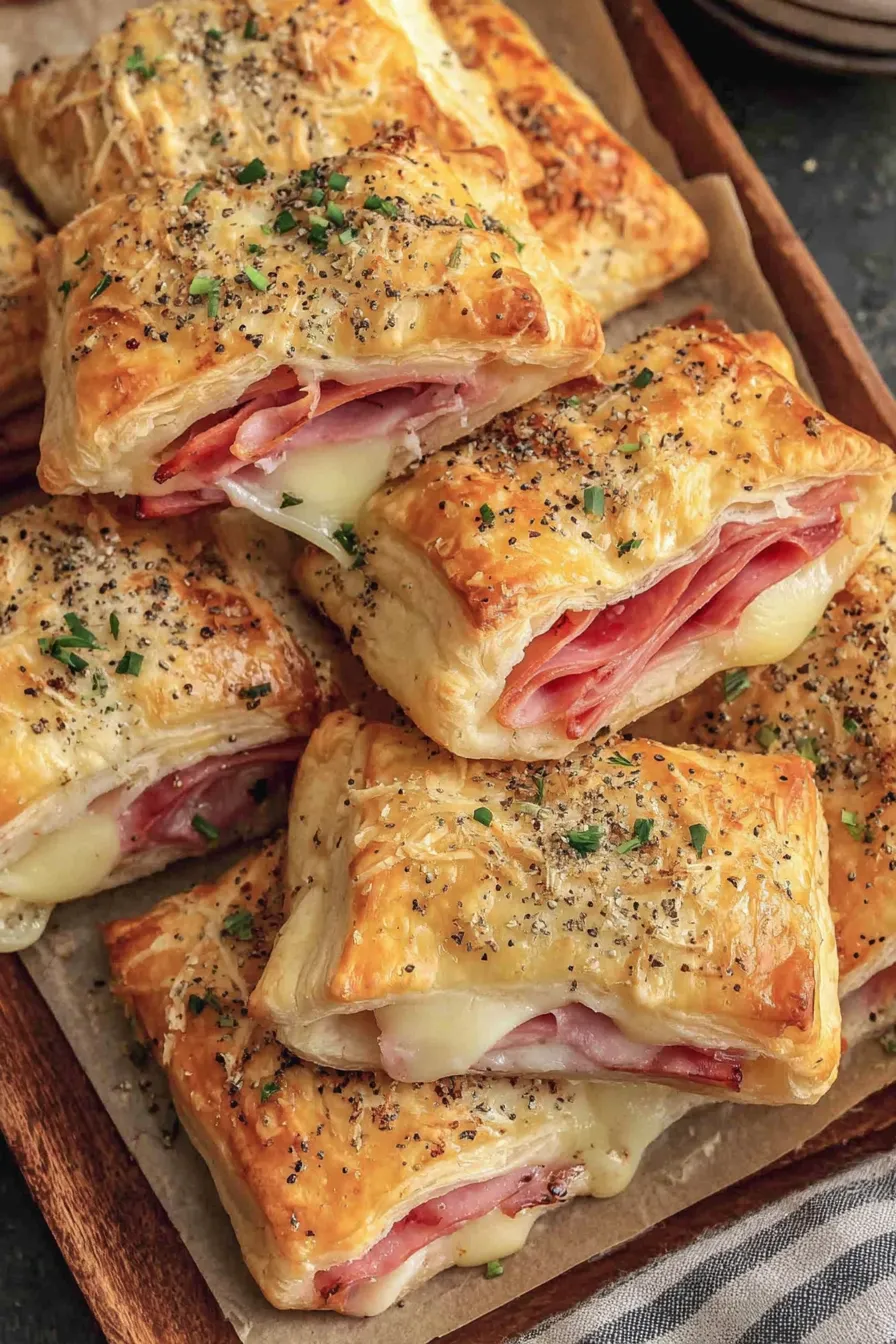
You Must Know
- These pockets freeze well before baking for up to 1 month. Freeze flat on a tray then transfer to a sealed bag.
- Thaw in the refrigerator overnight if frozen, then bake directly from chilled for five to eight additional minutes.
- High oven heat creates steam, which separates layers and yields flaky texture, so avoid low temperature baking.
- If dough cracks while folding, let it rest five minutes to relax, then patch with a bit of egg wash.
My favorite part is how the simple combination becomes elevated once baked. The contrast between the crunchy exterior and the melted interior is a crowd pleaser. Guests often ask if the pastry is homemade, and the secret is in the high oven temperature and minimal handling. These little pockets have shown up on picnic blankets, brunch tables, and holiday appetizers trays, always drawing compliments and requests for the recipe.
Storage Tips
Store cooled pockets in an airtight container in the refrigerator for up to three days. To reheat, place on a baking sheet and warm in a 180 degrees Celsius oven that is 350 degrees Fahrenheit for 8 to 10 minutes until heated through and crisp. For longer storage, freeze unbaked pockets on a tray until solid, then move to a sealed bag for up to one month. Bake straight from frozen adding five to eight minutes to the bake time. Avoid microwaving as it makes the pastry soggy.
Ingredient Substitutions
If Gruyère is not available, use Emmental, Jarlsberg, or a mild Swiss for similar melting characteristics. For a sharper bite, substitute sharp cheddar but expect a slightly different texture as cheddar releases more oil when melted. Swap ham for thinly sliced roasted turkey or prosciutto for a more delicate salt profile. For a vegetarian option, replace the meat with grilled mushrooms or caramelized onions and add a slice of tomato for moisture. Reduce Dijon if serving to children.
Serving Suggestions
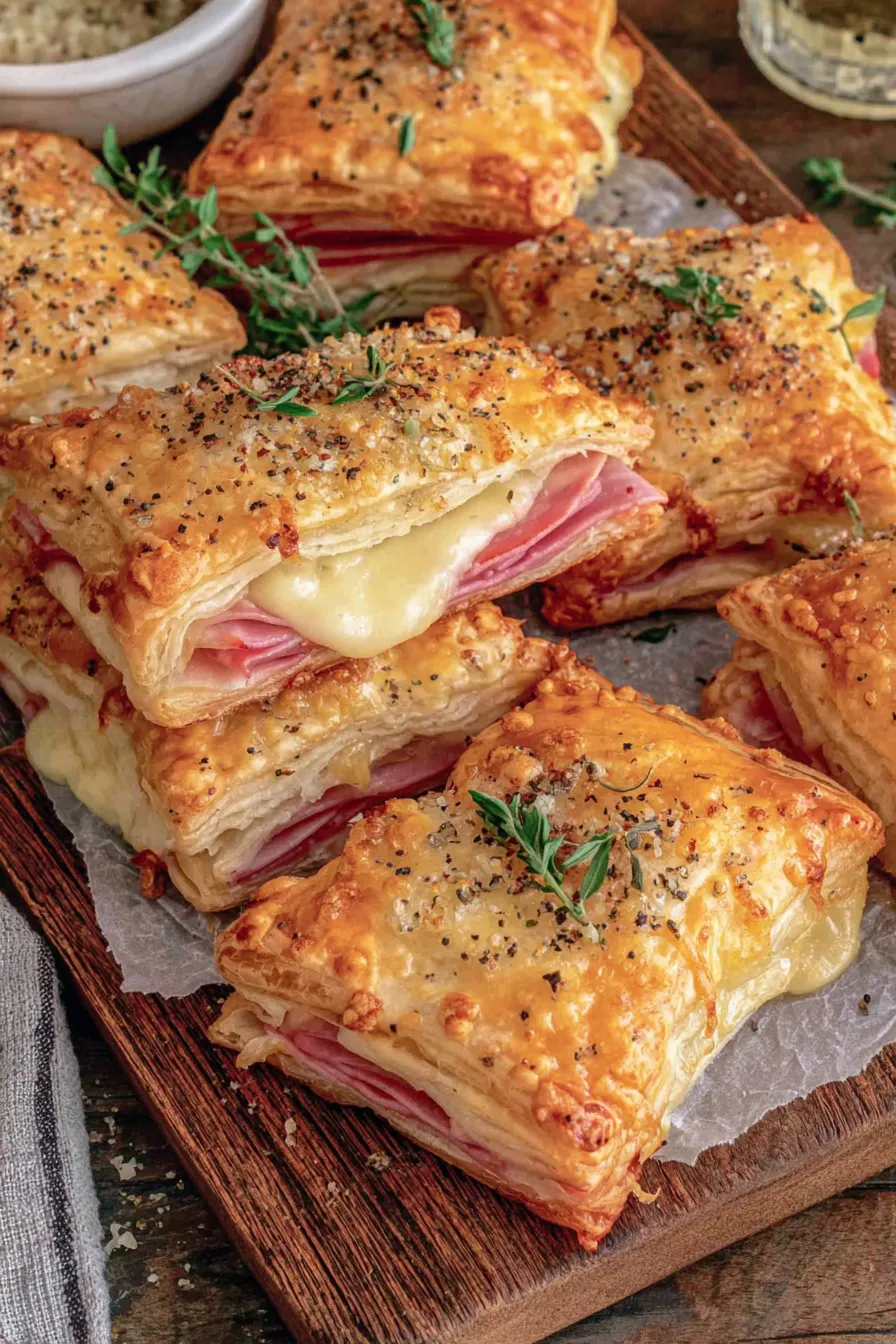
Serve warm as finger food on a platter lined with parchment. Pair with grainy mustard, honey mustard, or a light herb aioli. For a brunch spread, complement with a green salad dressed in lemon vinaigrette and roasted tomatoes. These pockets also pair well with a sparkling wine or a light beer. Garnish with finely chopped chives or a scattering of microgreens to add freshness and color to the plate.
Cultural Background
The concept of enclosing savory fillings in layered pastry has roots in many European traditions. Puff pastry that is light and flaky is associated with French technique, and combining ham and cheese in pastry is a popular bistro style offering. These pockets resemble small variations of classic warm sandwiches and folded pastries served in cafes across France. The simplicity and portability are in line with picnic and market culture, where handheld warm bites are convenient and celebratory.
Seasonal Adaptations
Adjust the filling seasonally to highlight fresh produce. In summer fold in thin slices of ripe tomato and basil for a Mediterranean twist. In autumn add a smear of fig jam beneath the cheese and swap honey cured ham for smoked ham to echo seasonal flavors. During winter include caramelized onions and a touch of whole grain mustard for depth. These small changes shift the flavor profile while keeping the technique the same.
Meal Prep Tips
Assemble pockets up to a day ahead and keep them covered in the refrigerator on the baking sheet. Brush with egg and bake just before serving. For busy hosts, freeze a prepared tray and bake the required number as guests arrive. Label frozen batches with date and contents. Use a rimmed baking sheet to catch any cheese that might escape during baking, and line the tray with parchment for easy cleanup. This method keeps hosting low stress and results reliably excellent.
These pockets are joyful to share, easy to customize, and forgiving if you are new to working with puff pastry. They are great for teaching kids basic assembly skills too, while you supervise the folding and sealing. Make a batch, try different fillings, and enjoy the way a simple technique can create moments that feel a little special.
Pro Tips
Keep puff pastry cold but pliable for best lift, and avoid overworking the dough to maintain distinct layers.
Brush the edges with egg wash to ensure a secure seal and prevent leakage of filling while baking.
Bake on the middle rack in a preheated hot oven to generate steam quickly and achieve maximum flakiness.
This nourishing ham and cheese puff pastry pockets recipe is sure to be a staple in your kitchen. Enjoy every moist, high protein slice — it is perfect for breakfast or as a wholesome snack any time.
Tags
Ham and Cheese Puff Pastry Pockets
This Ham and Cheese Puff Pastry Pockets recipe makes perfectly juicy, tender, and flavorful steak every time! Serve with potatoes and a side salad for an unforgettable dinner in under 30 minutes.
Ingredients
Dough
Filling
Finishing
Instructions
Thaw the pastry
Remove puff pastry from packaging and let sit at room temperature until pliable, about 30 minutes. Do not overheat. Pastry should be cold enough to handle without sticking.
Preheat oven
Preheat oven to 220 degrees Celsius which is 428 degrees Fahrenheit. Line a large baking sheet with parchment paper to prevent sticking and aid cleanup.
Roll and divide
Lightly roll each sheet to even thickness and cut each into six rectangles using a sharp knife or pizza cutter. Aim for uniform pieces so baking time is consistent.
Apply egg wash and mustard
Brush edges of each rectangle with whisked egg to act as glue. Spread a thin layer of Dijon mustard in the center leaving a clear border for sealing.
Assemble filling
Place one slice of Gruyère and a folded slice of ham on the mustard in the center of each rectangle. Folded ham adds height without excess meat.
Fold to enclose
Bring one corner toward the center and fold the opposite corner over to enclose filling. Press seams gently to seal and remove trapped air for even puff.
Arrange and finish
Place sealed pockets on the prepared sheet, brush tops with egg wash, and sprinkle everything bagel seasoning if desired for extra flavor and texture.
Bake
Bake in the preheated oven for 18 to 22 minutes until golden and puffed and the cheese is fully melted. Rotate the sheet halfway through if needed for even browning.
Cool briefly and serve
Remove from oven and let cool on the sheet for three to five minutes so filling settles. Serve warm with mustard or aioli on the side.
Last Step: Please leave a rating and comment letting us know how you liked this recipe! This helps our business to thrive and continue providing free, high-quality recipes for you.
Nutrition
Did You Make This?
Leave a comment & rating below or tag
@royalmorsel on social media!
Categories:
You might also like...
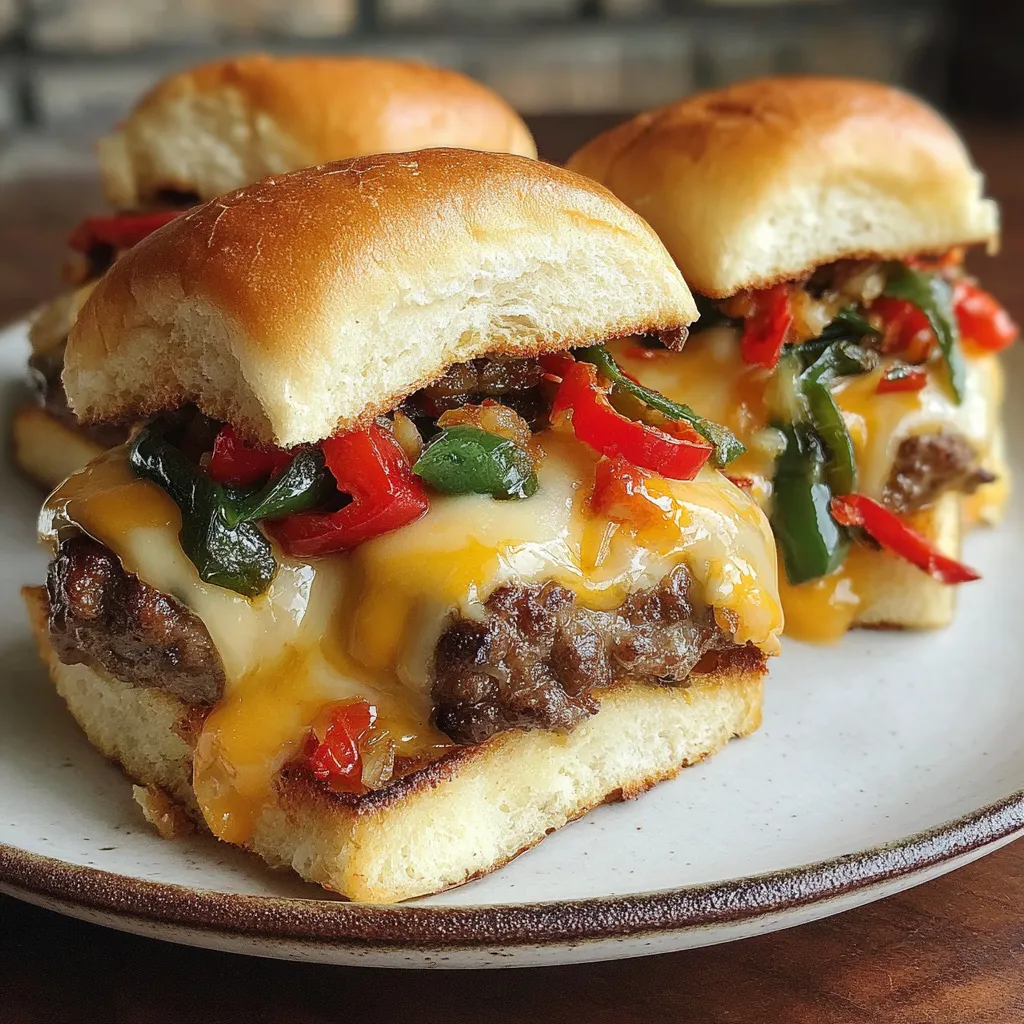
Cheeseburger Queso Sliders
Juicy beef, sweet-charred peppers, and a silky queso drizzle turn these sliders into the ultimate crowd-pleasing bite for game day or weeknight fun.
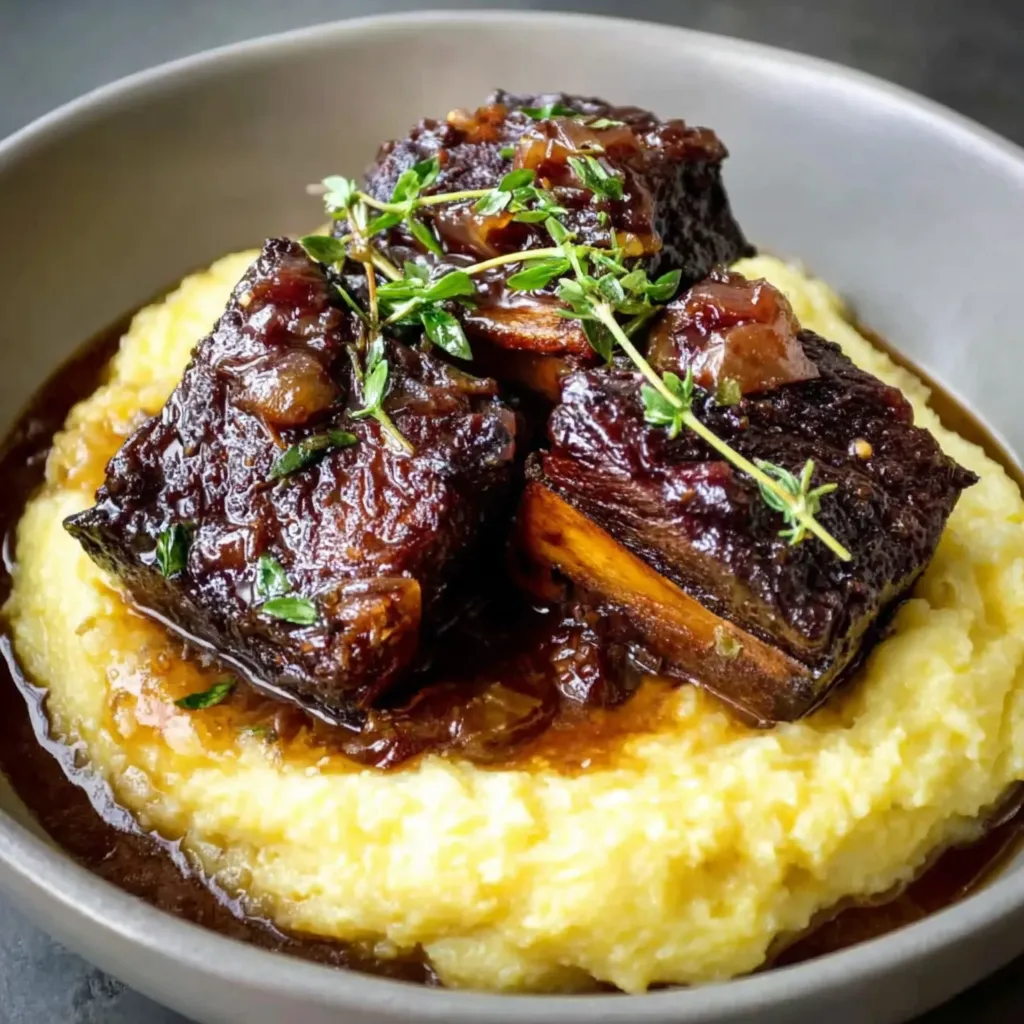
Short Ribs with Garlic Mash
Melt-in-your-mouth braised short ribs nestled over creamy garlic mashed potatoes, all in a rich, herb-scented sauce that feels like a warm hug.
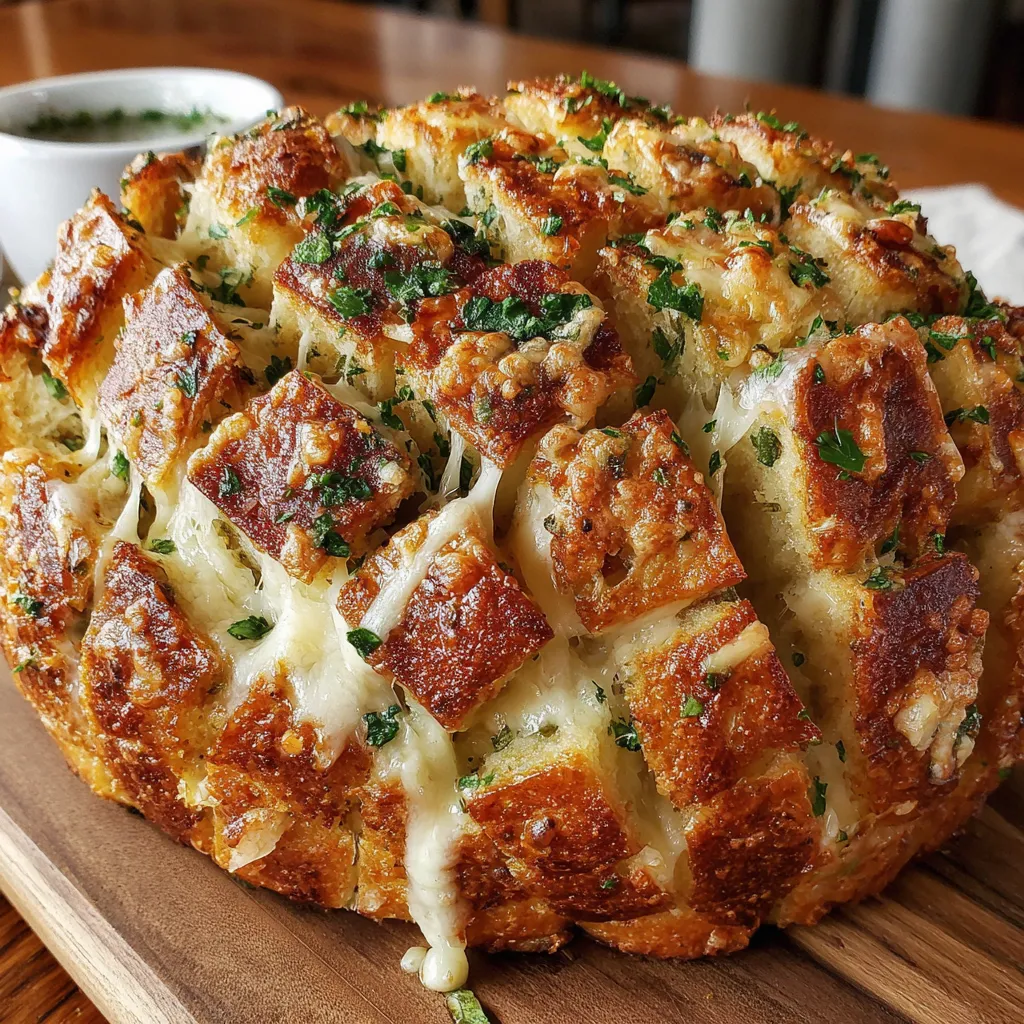
Cheesy Garlic Pull-Apart Bread
Golden, garlicky pull-apart loaf swaddled in buttery herbs and stretchy mozzarella that begs to be shared warm from the oven.
Did You Make This?
Leave a comment & rating below or tag @royalmorsel on social media!
Rate This Recipe
Share This Recipe
Enjoyed this recipe? Share it with friends and family, and don't forget to leave a review!
Comments (1)
This recipe looks amazing! Can't wait to try it.
Comments are stored locally in your browser. Server comments are displayed alongside your local comments.

Hi, I'm Emma!
What's Popular
30-Minute Meals!
Join to receive our email series which contains a round-up of some of our quick and easy family favorite recipes.