>>
Hand-rolled German soft pretzel sticks with a shiny, salty crust and tender interior—perfect for snacking, parties, or dipping.
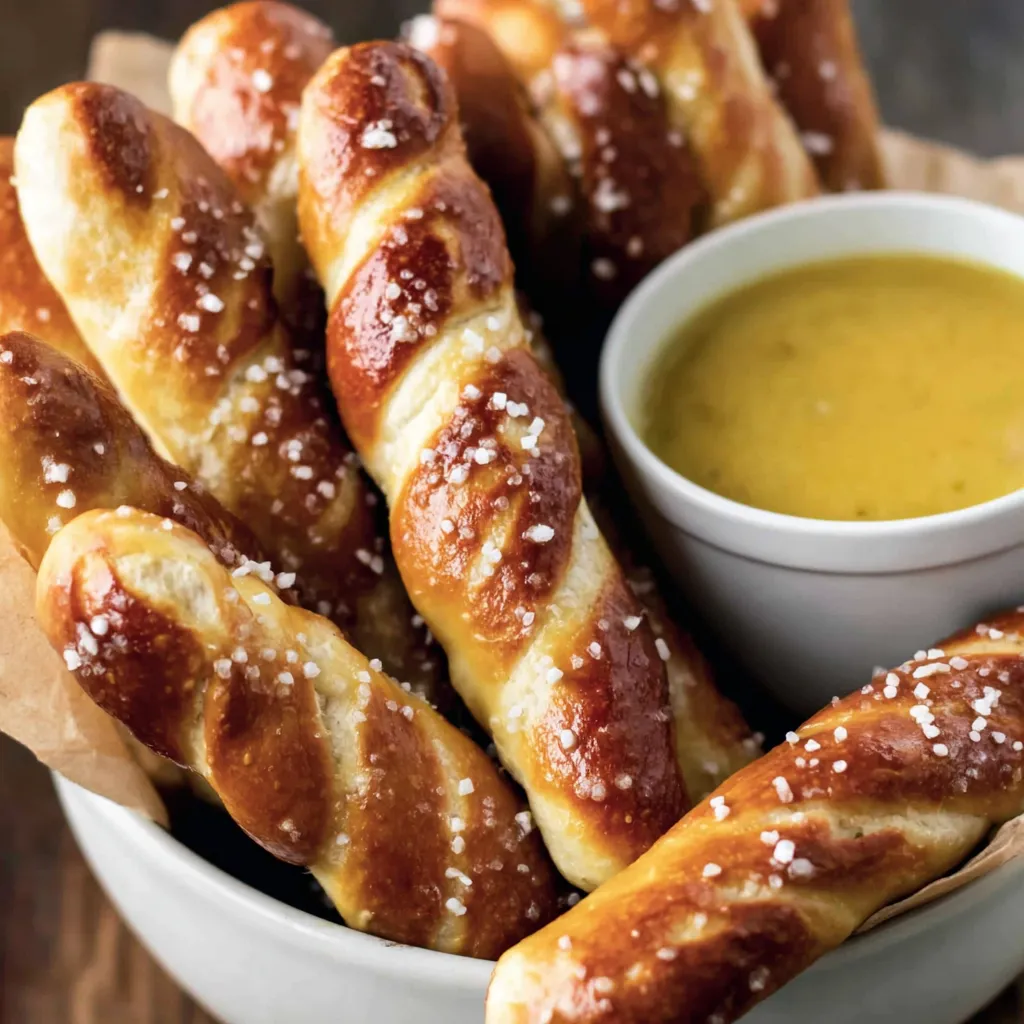
This recipe for German soft pretzel sticks is one I return to whenever I want something comforting but a little celebratory. I first adapted it from a bakery demo during Oktoberfest several years ago and tuned the dough and baking-soda bath until the texture was exactly what I remember from a street vendor in Munich: chewy, slightly glossy, and lightly salted on the outside with a tender, airy crumb inside. The sticks are casual enough for snack time and sturdy enough to hold a generous swipe of mustard or cheese dip.
I discovered this balance on a rainy afternoon when friends dropped by unexpectedly and I had only pantry staples on hand. The quick rise time and the forgiving dough made it possible to pull warm pretzel sticks from the oven in under two hours, and by the end of the evening everyone was trading techniques for rolling and which dips they preferred. For me, the charm of these sticks is in the ritual: mixing the dough, the brief boil in the baking soda bath that creates that iconic crust, and the final brush of egg wash that gives each stick a deep golden sheen.
My family always gravitates toward the ones with the deepest golden color and the most salt. One memory I love is a weekend brunch where the kids lined up for seconds before we even set out the mustard—there's something about the smell of toasted dough and buttered parchment that draws everyone in. This method is forgiving, and little adjustments like rest time, extra flour while kneading, or timing the boil let you tailor the texture to your preference.
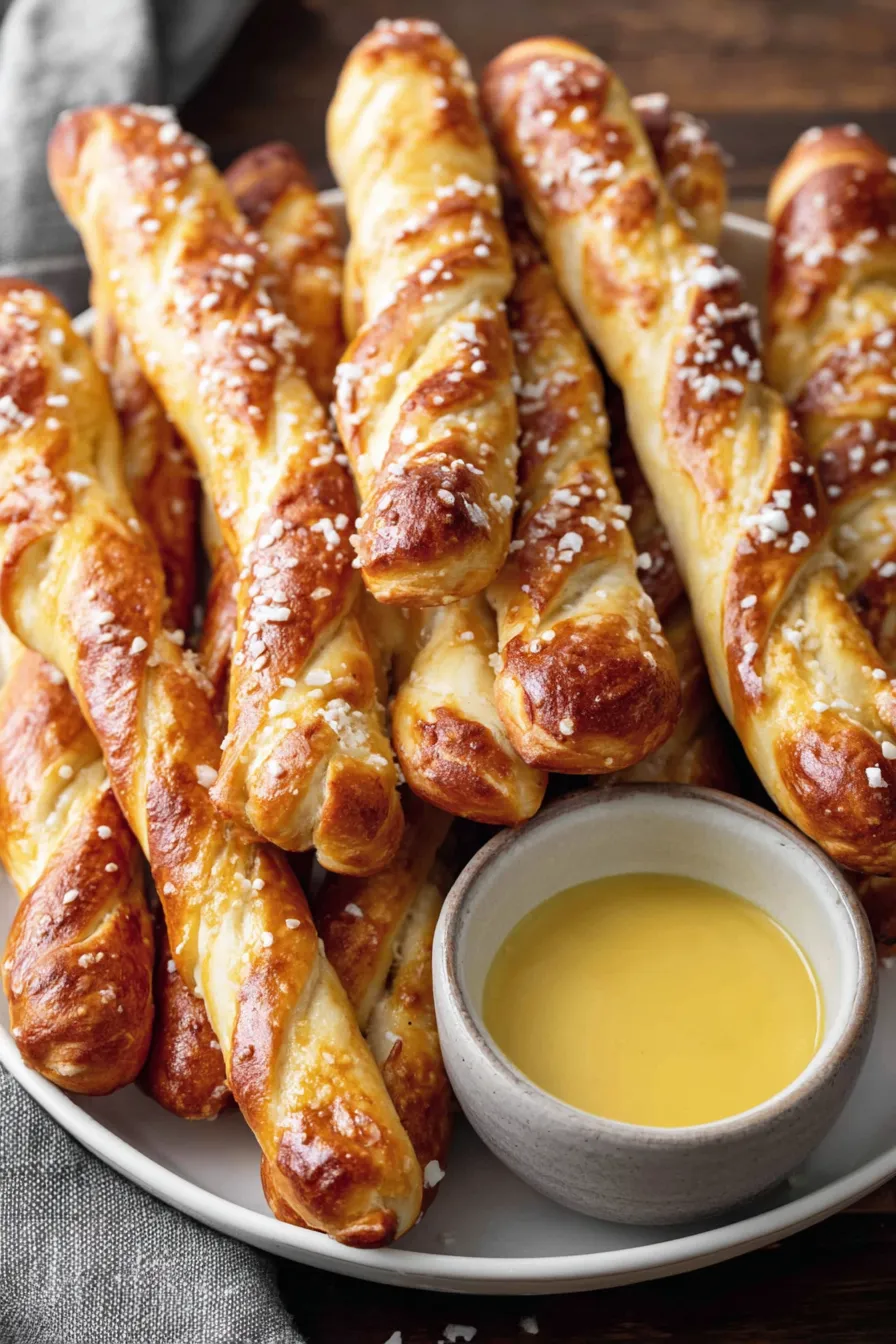
My favorite aspect is how adaptable the dough is. On a busy weeknight I will speed up the process by shaping fewer, larger sticks or by preparing the dough the night before for an overnight chill. Family members often debate whether the perfect stick has more crunch or chew; I tend to prefer a chewy interior with a glossy, crackly crust. These bites have created many simple, joyful moments—late-night movie snacks, picnic bread, and the start of many house parties.
Store cooled sticks in an airtight container at room temperature for up to two days; beyond that they lose their crisp crust. For longer storage, freeze on a baking sheet until firm, then transfer to a freezer bag for up to three months. To reheat, thaw at room temperature and warm in a 350°F oven for 8 to 12 minutes, or refresh directly from frozen by wrapping in foil and heating until hot. Avoid microwaving for reheating as it softens the crust and yields a chewy, less appealing texture. If you plan to transport them, place a paper towel in the container to absorb any condensation.
If you want a slightly richer stick, swap 2 tablespoons of the water with milk for a softer crumb. Whole-wheat flour can replace up to half of the all-purpose flour for a nuttier flavor and denser texture; increase hydration by 1 to 2 tablespoons if the dough feels dry. For dairy-free needs, omit the butter used on the parchment and brush with a light coating of oil instead; the egg wash will still provide color, or substitute a mixture of 2 tablespoons non-dairy milk with 1 tablespoon maple syrup for a vegan-friendly shine (note: this will alter flavor and color). Do not attempt a straight gluten-free swap without a specialized blend—pretzel texture depends on gluten structure.
Present the sticks warm on a wooden board with small bowls of coarse mustard, warm beer cheese, or a smoked paprika aioli. For brunch, pair with soft scrambled eggs and sautéed mushrooms; for parties, offer a trio of dips—herbed cream cheese, honey mustard, and a spicy beer cheese. Garnish with extra flaky salt, chopped chives, or a light brush of melted butter right before serving for an inviting shine. Seasonal pairings like apple butter in the fall or a bright cucumber-dill dip in summer work beautifully.
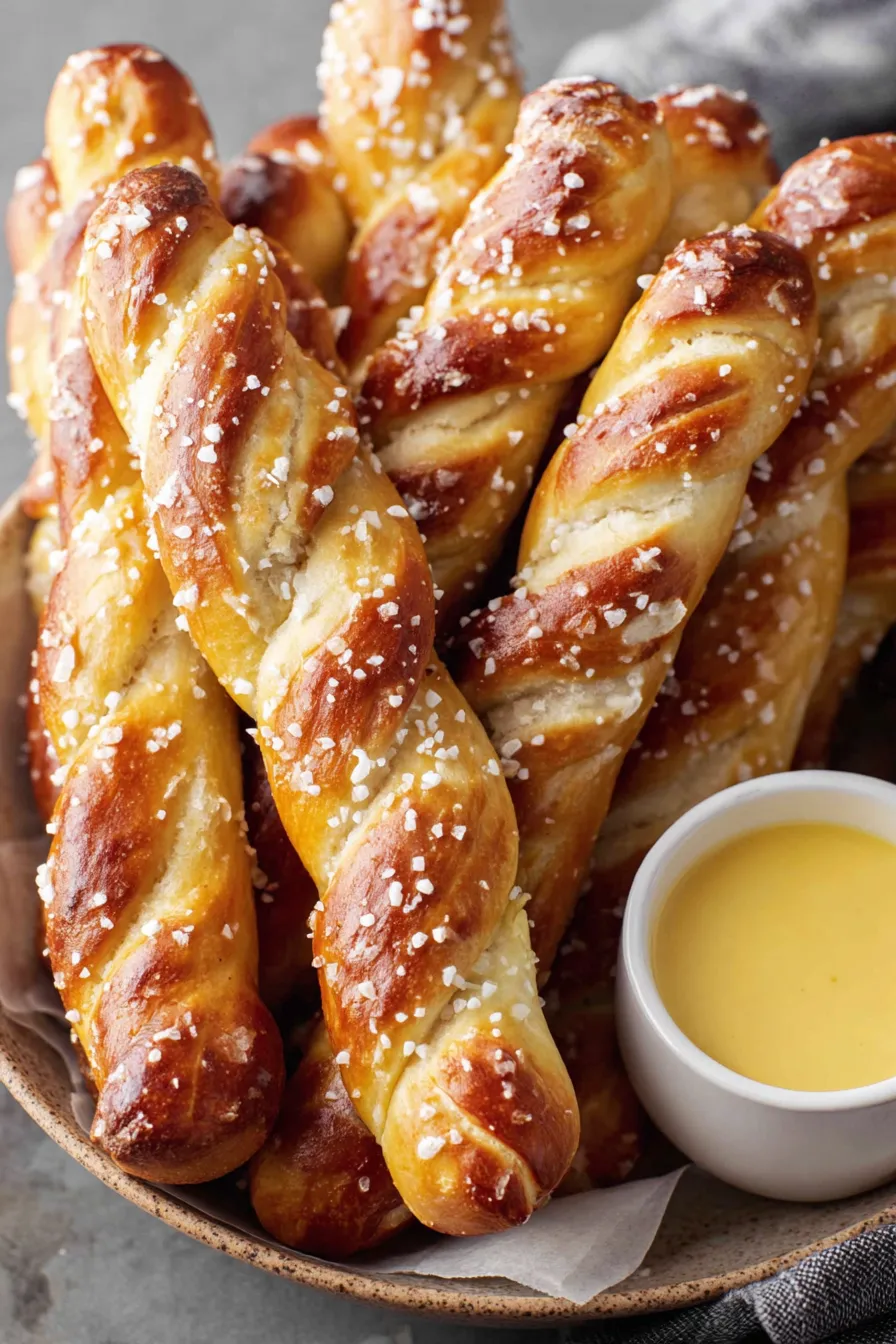
Pretzels have a long history in German-speaking regions and are associated with both street food culture and religious symbolism. The classic knot and the stick shape are both traditional forms; sticks are especially common at beer gardens and fairs where ease of holding and dipping is paramount. The baking soda or lye bath is a historic technique to gelatinize the surface starches, producing the characteristic deep-brown crust. Lye yields a darker, slightly different flavor and is used in traditional bakeries; baking soda is a safe and effective home-kitchen alternative that produces excellent results.
In cooler months, add a teaspoon of caraway seeds to the dough for a cozy, rye-like feel, or brush with melted butter and sprinkle with rosemary and sea salt for a holiday twist. For summer gatherings, make thinner, shorter sticks for crispier ends that cool quickly and pair well with lighter dips. Around Oktoberfest, serve alongside mustard and mustard-seed sauerkraut; at winter markets, dust lightly with cinnamon and sugar right after brushing with butter for a sweet treat.
To prepare ahead, complete the dough through the first rise, then refrigerate covered for up to 24 hours to develop deeper flavor. When ready to bake, divide, shape, and allow a short 30-minute return to room temperature for the final puff before boiling. For batch baking, keep the baking soda bath on low simmer and add hot water between batches to ensure consistent boiling. Label frozen portions by date and number of sticks so you can pull out precisely what you need for lunches or snacks during the week.
These sticks are simple to make and rewarding to share. Whether you keep them classic with coarse salt or experiment with sweet finishes, they invite communal eating and creativity—so roll up your sleeves and enjoy the process as much as the results.
Keep the baking soda bath at a gentle simmer; a vigorous boil scars the dough and can make sticks misshapen.
If your dough seems overly sticky while shaping, lightly flour your work surface and your hands but avoid adding too much flour which will dry the crumb.
For the best shine and color, make sure the egg wash is applied generously and evenly before sprinkling salt.
If you’re short on time, shape fewer larger sticks to reduce handling and baking time while maintaining the same flavor profile.
To avoid a soggy bottom, make sure your parchment is buttered thinly; too much butter causes dark spots during baking.
This nourishing german soft pretzel sticks recipe is sure to be a staple in your kitchen. Enjoy every moist, high protein slice — it is perfect for breakfast or as a wholesome snack any time.
This German Soft Pretzel Sticks recipe makes perfectly juicy, tender, and flavorful steak every time! Serve with potatoes and a side salad for an unforgettable dinner in under 30 minutes.
In a large mixing bowl combine the light brown sugar and warm water and stir until dissolved. Sprinkle the active dry yeast on top and let it stand for about 5 minutes until foamy, indicating the yeast is active.
Stir in the vegetable oil and 3 cups of flour, then gradually add the remaining 2 3/4 cups while mixing on low with a dough hook. Knead on medium speed for about 3 minutes until smooth. Add up to 1/4 cup more flour only if too sticky.
Transfer to a greased large bowl, cover tightly with plastic wrap and allow to rise at room temperature until doubled in size, approximately 45 minutes.
Preheat the oven to 450°F and line three baking sheets with parchment. Lightly butter the parchment to prevent sticking.
Punch down the dough and turn onto a floured surface. Divide into 24 pieces and roll each into a 7-8 inch by 1/2 inch thick stick. Place on prepared sheets and let rest until puffed, about 25 minutes.
Bring 2 quarts water to a boil in a large, deep skillet and add 3/4 cup baking soda. Reduce to a simmer and keep an extra cup of hot water handy to maintain temperature between batches.
Boil six sticks at a time for 30 seconds total, turning once at 15 seconds. Remove with slotted spoons, drain briefly on paper towels and repeat until done, adding hot water to maintain the bath temperature.
Brush the tops with beaten egg mixed with 1 tablespoon water and sprinkle coarse sea salt evenly before baking.
Bake at 450°F for about 10 minutes or until deep golden brown. Serve warm or at room temperature with mustard, cheese dip, or softened butter.
Last Step: Please leave a rating and comment letting us know how you liked this recipe! This helps our business to thrive and continue providing free, high-quality recipes for you.
Leave a comment & rating below or tag
@royalmorsel on social media!
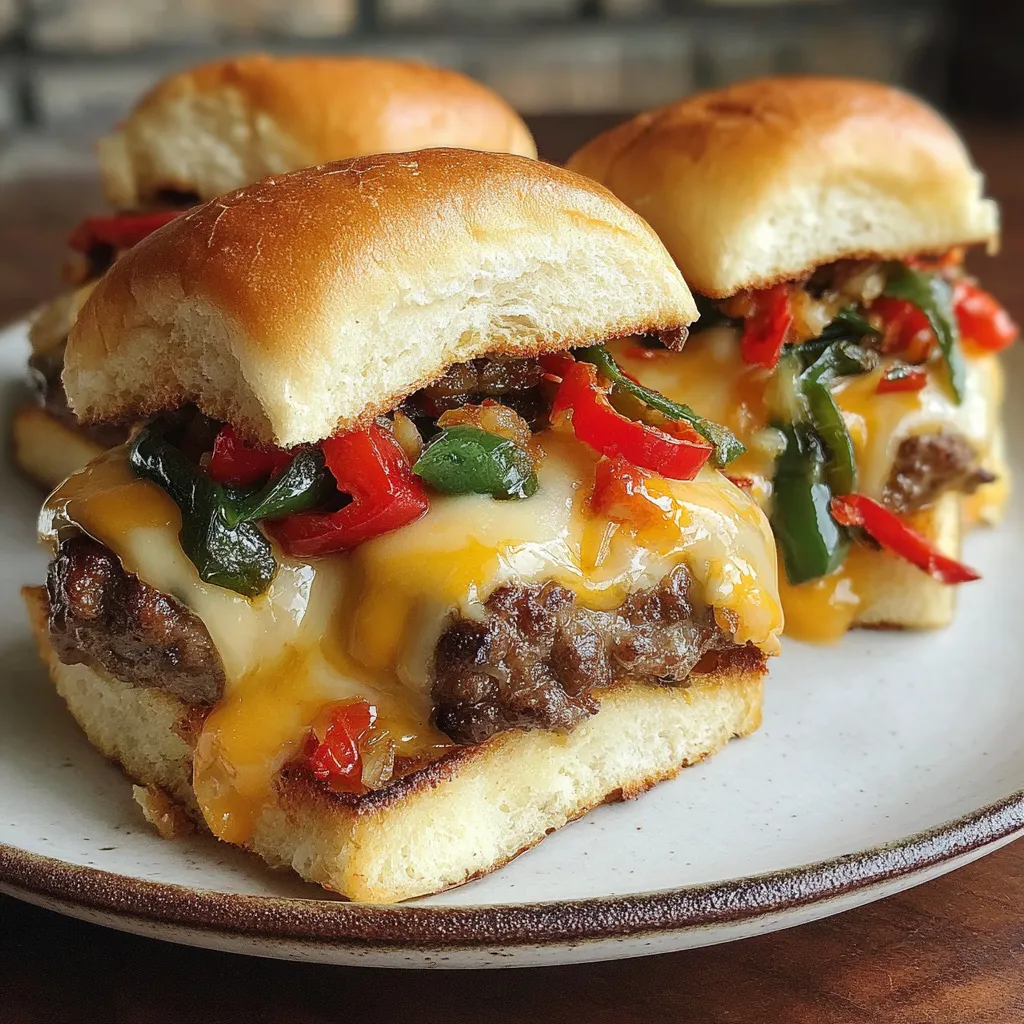
Juicy beef, sweet-charred peppers, and a silky queso drizzle turn these sliders into the ultimate crowd-pleasing bite for game day or weeknight fun.
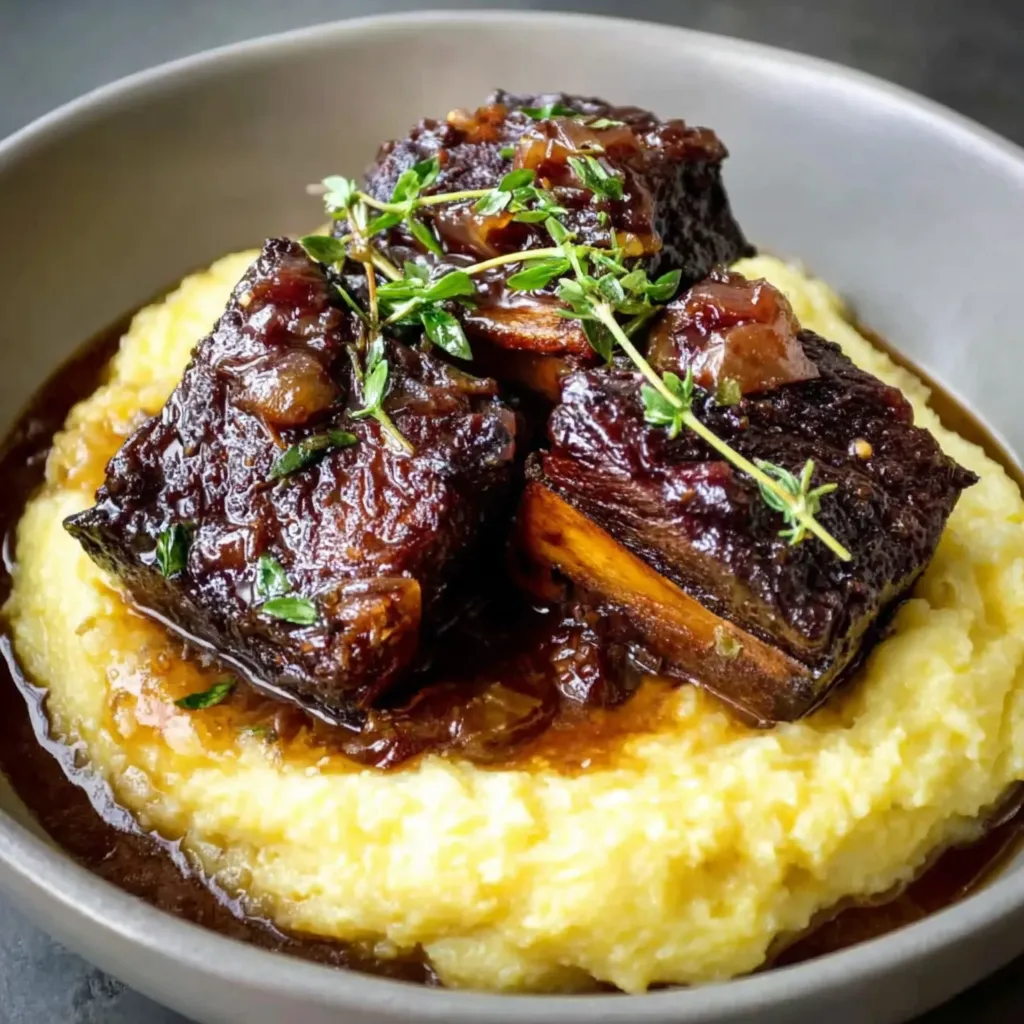
Melt-in-your-mouth braised short ribs nestled over creamy garlic mashed potatoes, all in a rich, herb-scented sauce that feels like a warm hug.
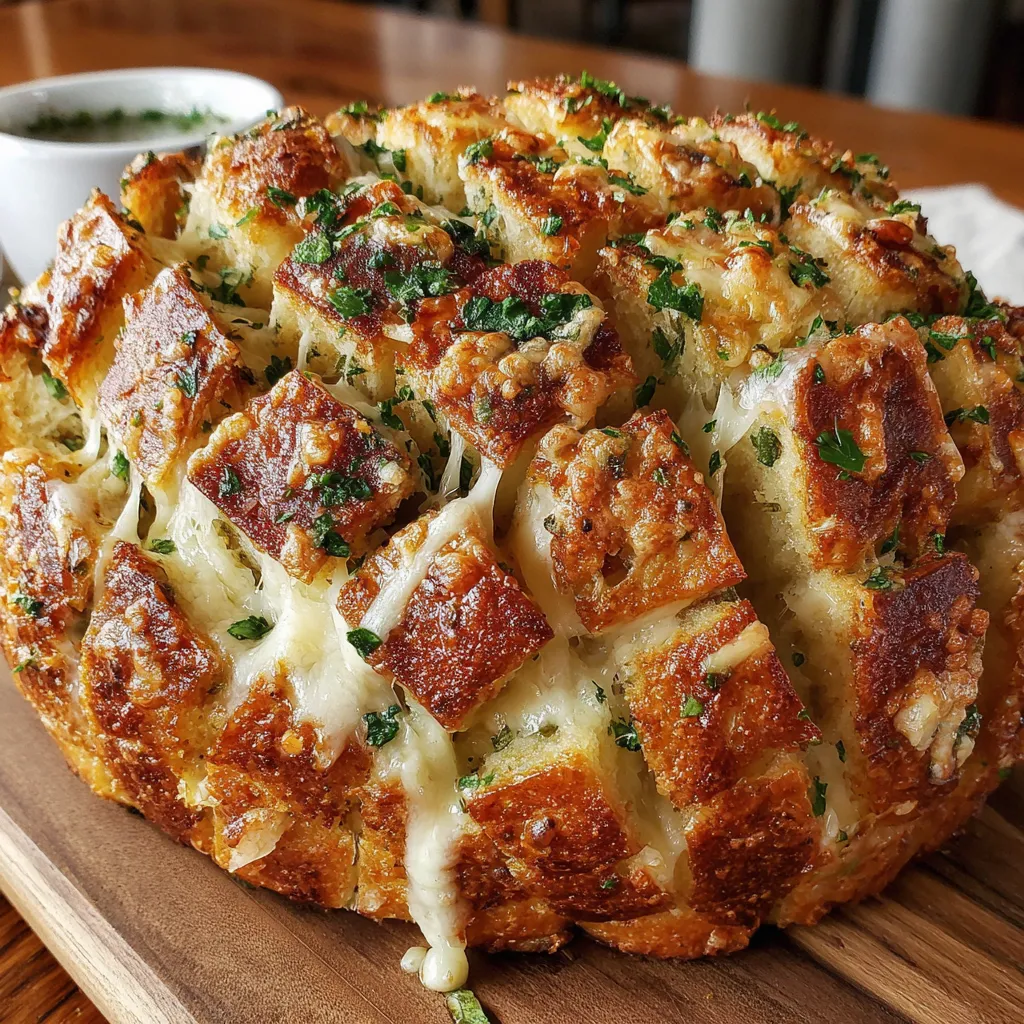
Golden, garlicky pull-apart loaf swaddled in buttery herbs and stretchy mozzarella that begs to be shared warm from the oven.
Leave a comment & rating below or tag @royalmorsel on social media!
Enjoyed this recipe? Share it with friends and family, and don't forget to leave a review!
This recipe looks amazing! Can't wait to try it.
Comments are stored locally in your browser. Server comments are displayed alongside your local comments.

Join to receive our email series which contains a round-up of some of our quick and easy family favorite recipes.