>>
A slow-braised classic with tender beef, rich gravy, and caramelized vegetables — perfect for family dinners and holiday gatherings.
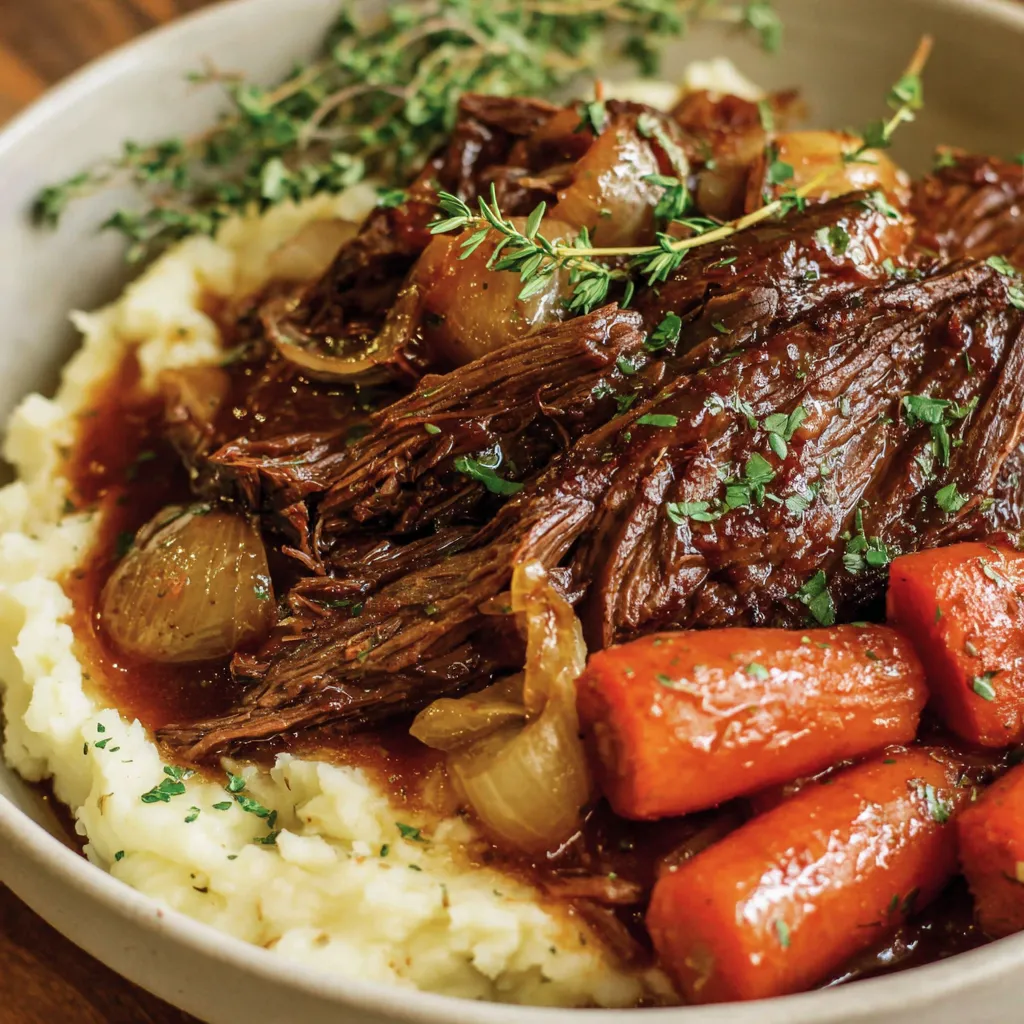
This Classic Pot Roast has been my weekend centerpiece for years, a dish that transforms a simple Sunday into a full-sensory celebration. I first learned this approach during a chilly November when I wanted a meal that could feed a crowd without demanding constant attention. The long, gentle braise breaks down the connective tissue in a 4 to 5 pound beef chuck, turning it into slices that pull apart effortlessly and soak up an intensely flavored broth. The crust developed from a quick sear adds savory complexity while the onion, garlic, and tomato paste form a backbone of umami that carries through the sauce.
What makes this version special is its balance: a splash of dry red wine brightens the deep, beefy notes and carrots become almost candy-like after a few hours in the braising liquid. I discovered the joy of serving it shredded and returned briefly to the sauce so every forkful is both tender and glossy. This meal has produced countless family memories, from birthday dinners to quiet weeknights when the house smelled like comfort and everyone lingered at the table. It is forgiving, adaptable, and always worth the wait.
Personally, I love how this recipe evolves each time I make it. One winter I doubled the thyme and the family declared it the most aromatic pot roast yet. Another time I swapped in a different red wine and found the nuance changed in a delightful way. Every pot tells a story and this one always brings people to the table.
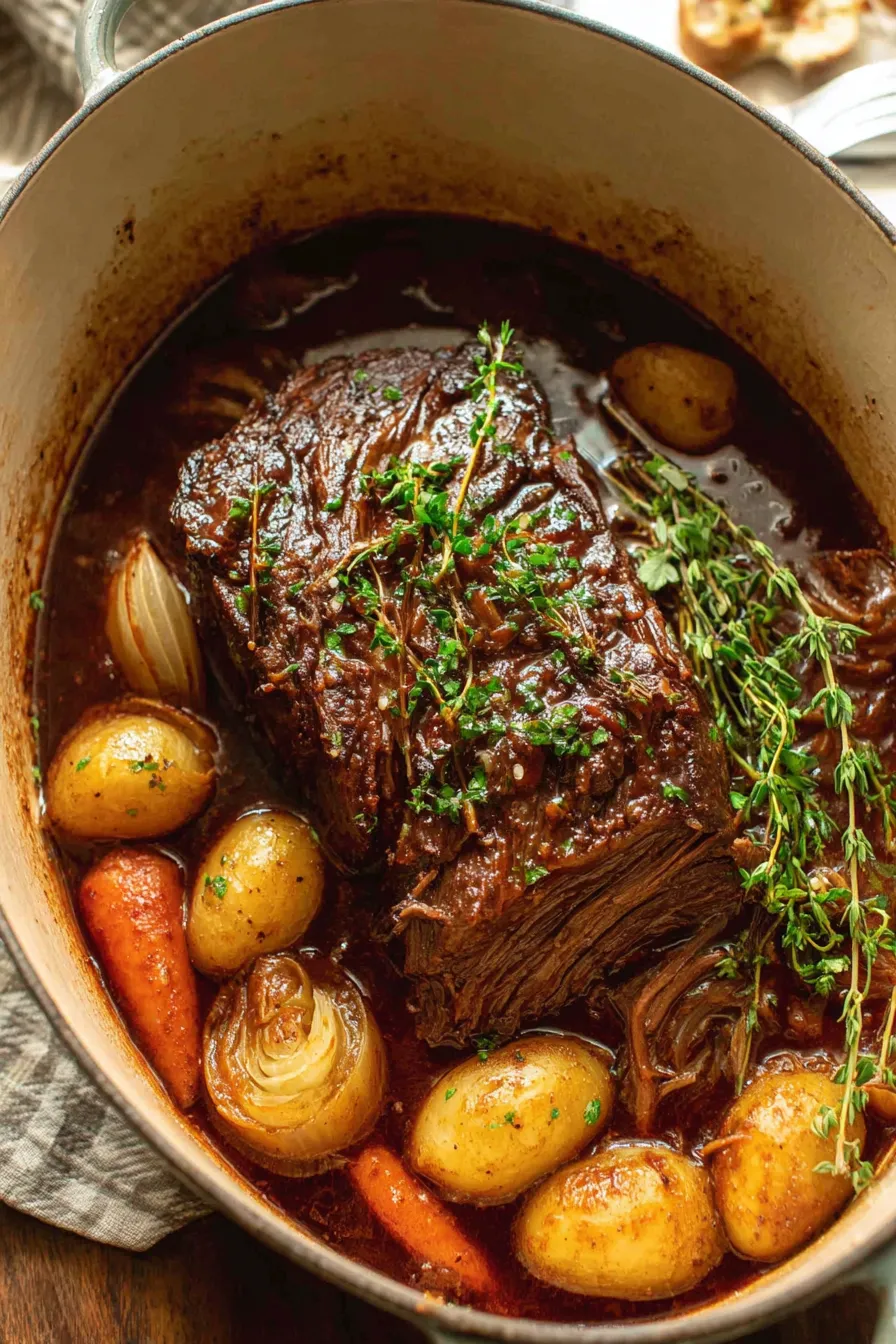
My favorite aspect is how forgiving this process is. On a busy weekend I have started the roast early, left the house for a few hours, and returned to a house that smells like a restaurant. The reaction from family and friends is nearly always the same: quiet appreciation followed by requests for seconds and instructions to pack leftovers.
Store cooled leftovers in shallow airtight containers to speed cooling and keep the roast safe. Refrigerate for up to four days; for longer storage, freeze in portioned containers for up to three months. When freezing, leave a little headspace in the container for expansion and label with the date. Reheat gently on the stovetop over low heat with a splash of stock to revive moisture. For oven reheating, cover the dish with foil and warm at 325°F until heated through, which helps preserve texture without drying the meat.
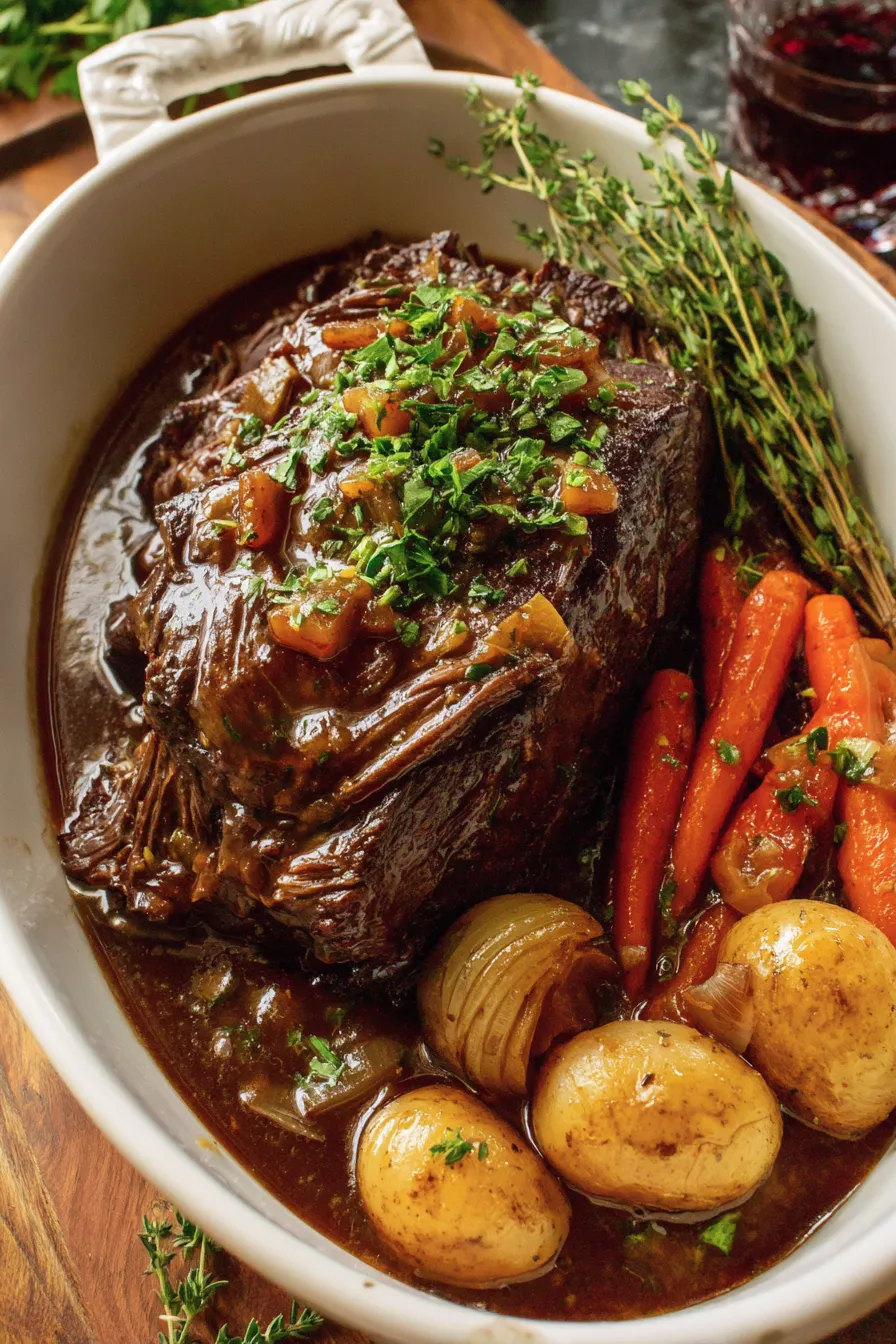
If you do not have chuck roast, a blade roast or brisket can work though cooking times may vary. Substitute red wine with extra beef stock and a tablespoon of balsamic vinegar if avoiding alcohol. For a gluten free option use cornstarch as the thickener; for richer texture use a beurre manié with gluten free flour and butter if appropriate. Swap fresh thyme for 1 teaspoon dried thyme, and use dried parsley sparingly as it lacks the brightness of fresh. When choosing carrots, small young carrots cook faster and can be halved instead of cut into two inch pieces.
Serve with mashed potatoes or creamy polenta to balance the savory sauce. A simple green salad dressed with lemon vinaigrette brightens the meal, and roasted root vegetables complement the braise in colder months. For holidays, present the roast whole carved at the table or shredded in a family style buffet. Garnish with additional chopped parsley and a few thyme sprigs for an attractive finish.
The slow braise technique is a cornerstone of many culinary traditions where less tender cuts are transformed through time and gentle heat. The pot roast as known in American kitchens evolved from European braising methods and became a weekday staple because it yields consistent results with simple ingredients. Regional variations include adding wine in French versions, tomato and chili in Latin preparations, or soy and ginger in Asian-influenced braises.
In winter, add parsnips and turnips or finish with a splash of aged balsamic for depth. In spring use baby carrots and early new potatoes for a lighter profile. During summer, pair with bright seasonal green beans and a crisp tomato salad to offset the dish's richness. For festive occasions, incorporate root vegetable medleys and roasted shallots to elevate presentation.
Prepare the roast one day ahead to let flavors meld; cool completely then refrigerate. On the day of serving, gently reheat in the oven or on the stovetop and finish with a fresh herb garnish. For portable meal prep, shred meat and pack sauce separately to avoid soggy vegetables. Portion into microwave safe containers with a side of mashed potatoes for easy reheating at work or school.
At its heart, this Classic Pot Roast is about patience and reward. The simple steps deliver deep flavor and a comforting plate that invites sharing. Make it your own with small tweaks and enjoy the warmth it brings to the table.
Bring meat to room temperature before searing to promote even cooking and better browning.
Sear well on all sides to develop fond that deepens the final sauce flavor.
Use low sodium stock to control salt level since reduction concentrates seasoning.
If sauce tastes flat after reduction, add a splash of vinegar or a teaspoon of Worcestershire to brighten.
This nourishing classic pot roast recipe is sure to be a staple in your kitchen. Enjoy every moist, high protein slice — it is perfect for breakfast or as a wholesome snack any time.
Check for tenderness by inserting two forks into the meat and pulling; it should separate easily. If not, return to the oven and check every 20 to 30 minutes.
Allow to cool slightly, then transfer to shallow containers. Refrigerate up to four days or freeze for up to three months.
This Classic Pot Roast recipe makes perfectly juicy, tender, and flavorful steak every time! Serve with potatoes and a side salad for an unforgettable dinner in under 30 minutes.
Pat the roast dry and season with 3 teaspoons salt and 1 teaspoon pepper. Let sit uncovered at room temperature for 1 hour. Preheat oven to 325°F and set rack in lower third.
Heat 1 tablespoon oil in a Dutch oven over medium high. Sear roast until deeply browned on all sides, about 3 minutes per side. Transfer to a plate.
Lower heat to medium, add chopped onion and cook 4 to 5 minutes until golden. Add garlic and cook 30 seconds until fragrant, stirring to incorporate fond.
Stir in 3 tablespoons tomato paste and cook 1 to 2 minutes. Pour 1 cup red wine, scrape up browned bits and simmer until about one quarter of the wine has evaporated, 2 to 3 minutes.
Add roast back to pot with 6 cups beef stock, 1 tsp salt, 1/2 tsp pepper, bay leaves, thyme, parsley and carrots. Bring to a boil, cover and transfer to oven. Bake at 325°F for 3 to 4 hours until easily pulled apart with forks.
Remove roast and vegetables, tent with foil and skim fat from the liquid. Shred or slice the roast and keep warm while you finish the sauce.
Whisk 2 tablespoons cornstarch with 2 tablespoons water. Bring braising liquid to a boil and slowly whisk in slurry. Simmer until thickened and adjust seasoning.
Make a beurre manié by mixing 2 tablespoons butter with 2 tablespoons flour. Add small amounts to boiling liquid while whisking until desired thickness is reached.
Return shredded meat to the sauce if desired, garnish with chopped parsley, and serve with mashed potatoes, polenta, or crusty bread.
Last Step: Please leave a rating and comment letting us know how you liked this recipe! This helps our business to thrive and continue providing free, high-quality recipes for you.
Leave a comment & rating below or tag
@royalmorsel on social media!

Juicy beef, sweet-charred peppers, and a silky queso drizzle turn these sliders into the ultimate crowd-pleasing bite for game day or weeknight fun.
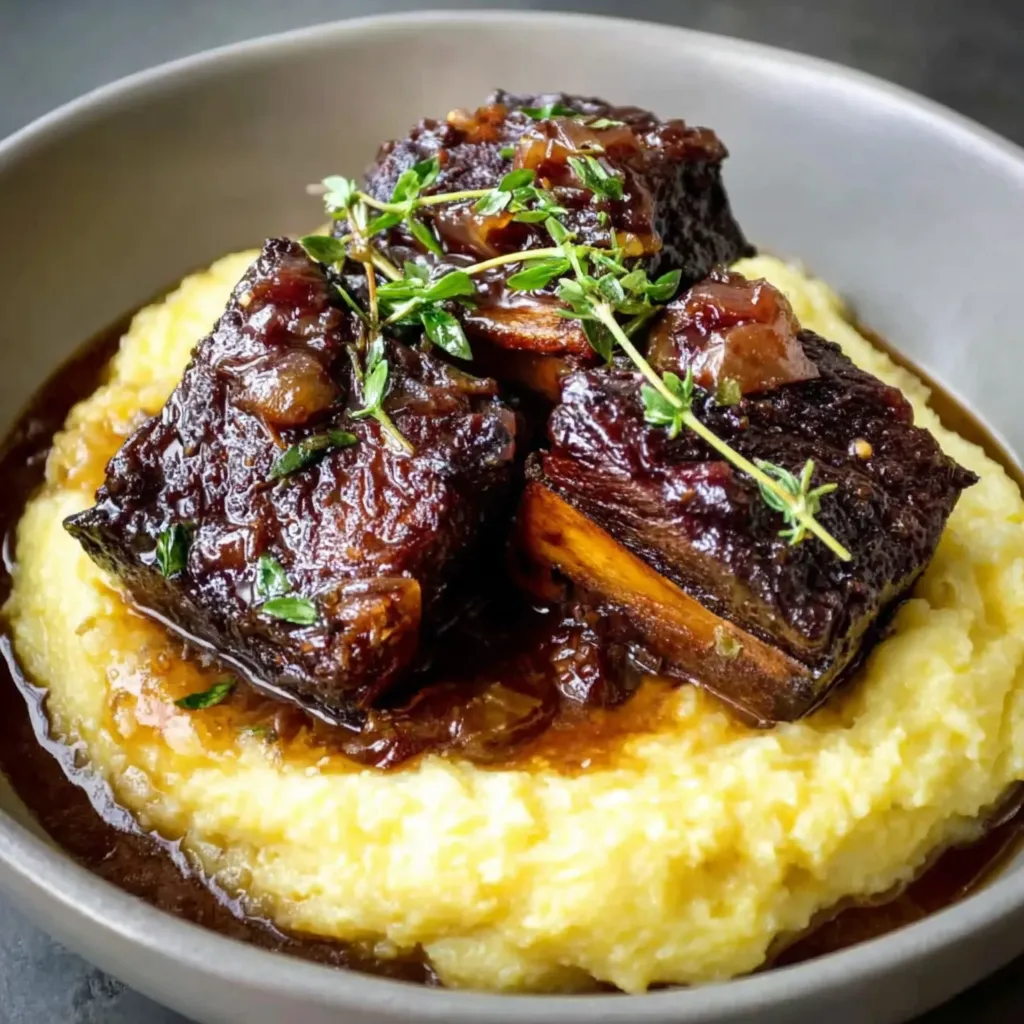
Melt-in-your-mouth braised short ribs nestled over creamy garlic mashed potatoes, all in a rich, herb-scented sauce that feels like a warm hug.
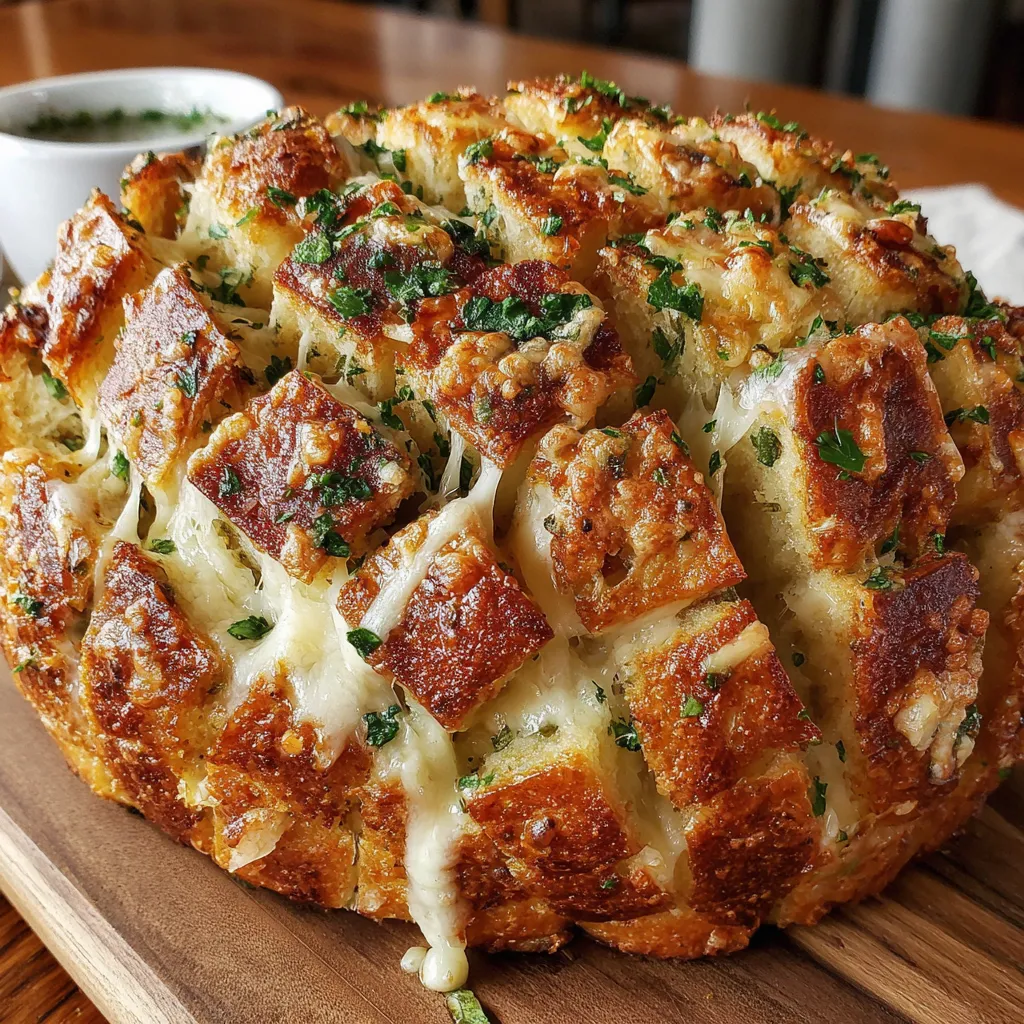
Golden, garlicky pull-apart loaf swaddled in buttery herbs and stretchy mozzarella that begs to be shared warm from the oven.
Leave a comment & rating below or tag @royalmorsel on social media!
Enjoyed this recipe? Share it with friends and family, and don't forget to leave a review!
This recipe looks amazing! Can't wait to try it.
Comments are stored locally in your browser. Server comments are displayed alongside your local comments.

Join to receive our email series which contains a round-up of some of our quick and easy family favorite recipes.