>>

Hearty, smoky baked beans finished in the oven with caramelized bacon, brown sugar, and tangy mustard — a timeless side that’s perfect for cookouts and family dinners.
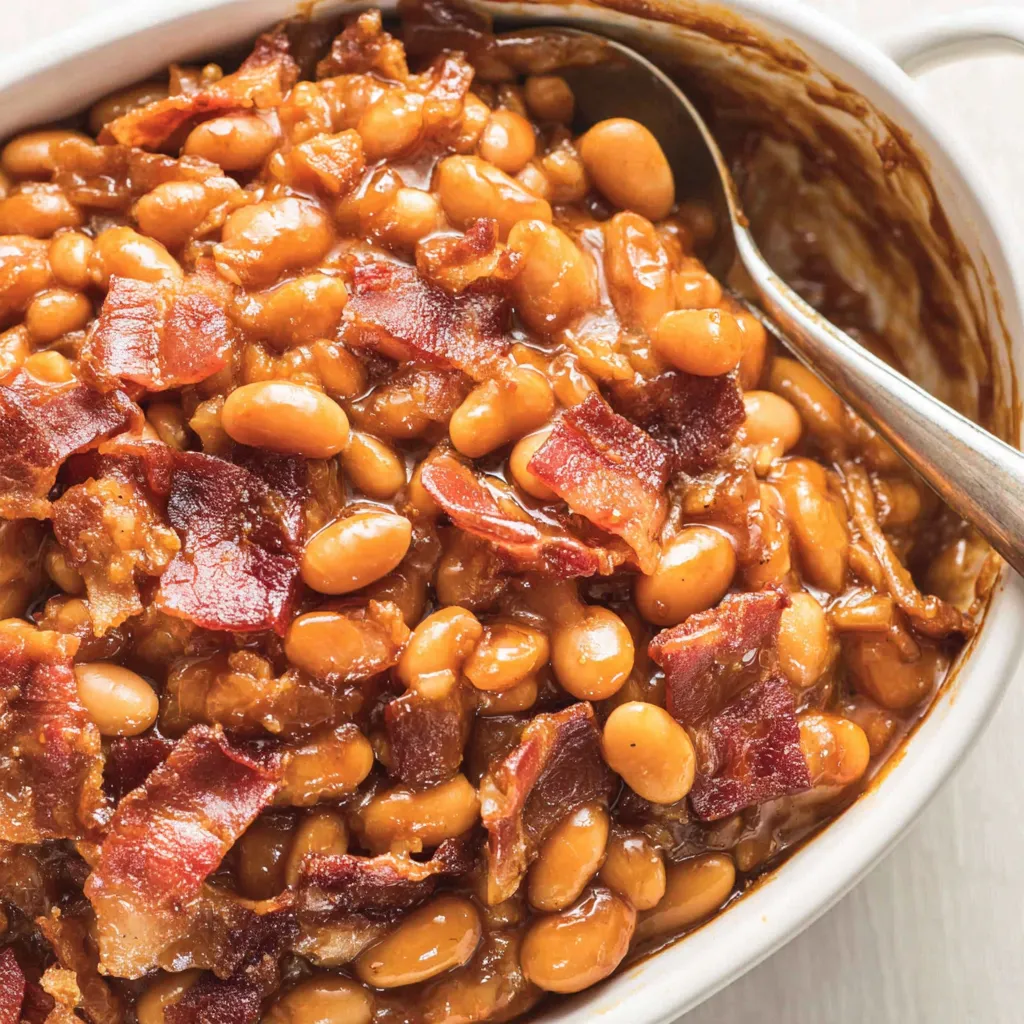
This version of baked beans has been a cornerstone at weekend gatherings in my family for as long as I can remember. I first tasted a similar pot at a summer church picnic where the beans were bubbling and sweet, flecked with bacon and a glossy sauce that clung to a spoon. I recreated that memory in my own kitchen one rainy afternoon, testing proportions until the balance between sweet, tangy, and smoky felt right. Since then, this dish has become my reliable side for potlucks, Sunday suppers, and holiday spreads.
The texture is comforting: tender beans in a syrupy, slightly sticky sauce punctuated by crispy, savory bacon bits and soft, translucent onions. The flavors marry during the slow oven finish — the brown sugar and ketchup add warmth and body, barbecue sauce and Worcestershire deepen the savory base, and a splash of yellow mustard provides a bright counterpoint. Every time I take the lid off the pan and the steam rises, there’s a small celebration at the table.
My family’s reaction the first time I served this was immediate: forks paused, nods, and then the familiar call of “seconds.” Over the years I’ve learned subtle adjustments — a touch more mustard if it’s too sweet, or an extra minute in the pan to deepen the caramelized notes. These small changes make the recipe adaptable to personal taste while keeping the classic profile intact.
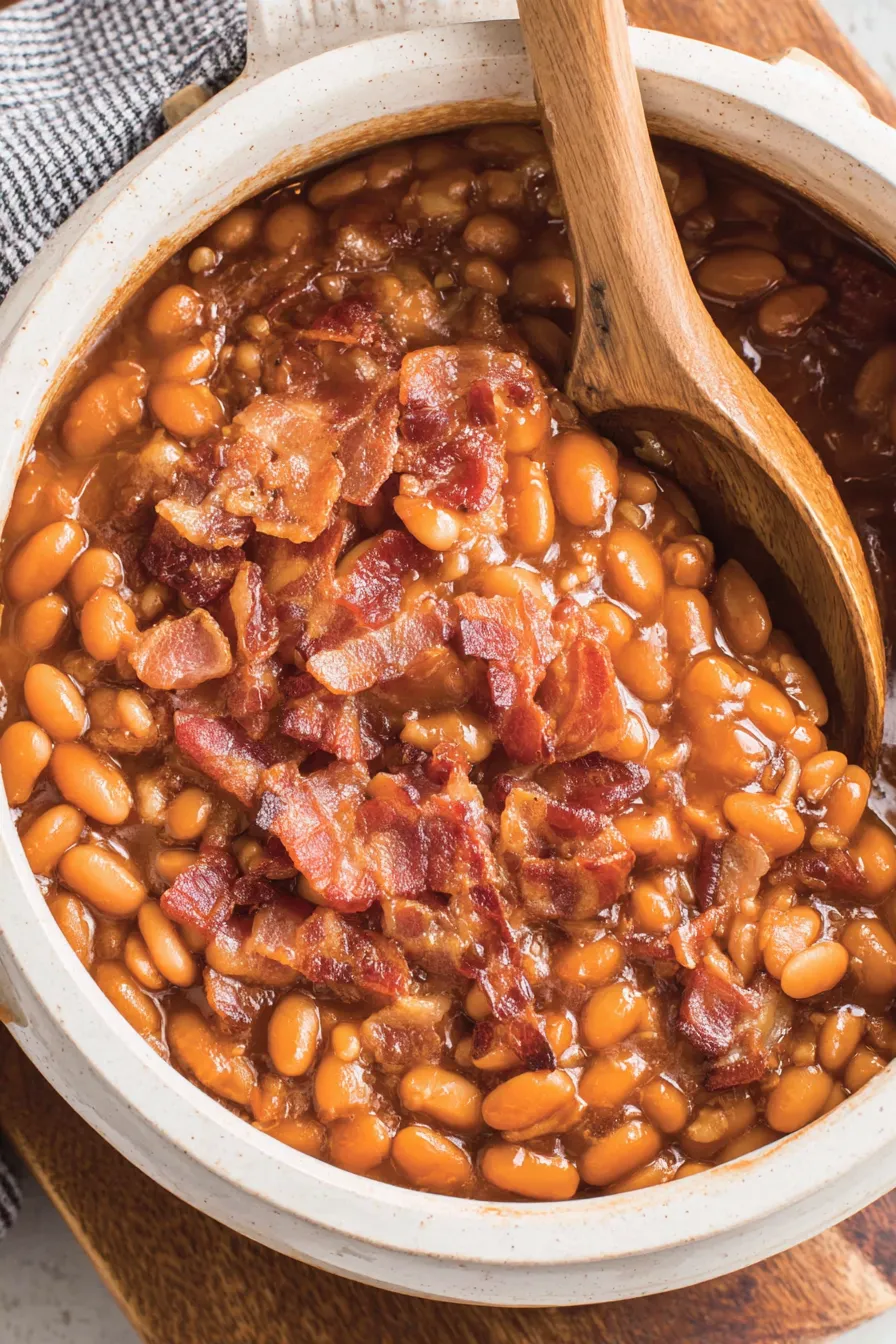
My favorite aspect is the way the bacon transforms the sauce: the rendered fat adds a silky mouthfeel and smoky character that balances the brown sugar. One year I brought this to a family reunion and a cousin who rarely eats beans declared them the best part of the buffet. That kind of surprised praise made me realize small technique choices — like leaving a tablespoon of bacon fat and letting the sauce simmer briefly on the stove — actually change the outcome dramatically.
Store leftovers in an airtight container in the refrigerator for up to four days. For longer storage, transfer to freezer-safe containers and freeze for up to three months. To reheat from chilled, warm gently on the stovetop over low heat with a splash of water or reserved bean liquid to prevent sticking; stir frequently until bubbling hot. Reheat from frozen by thawing overnight or using a low oven (325°F) covered until warmed through. Avoid microwave reheating at high power as it can break the texture of the beans and make the sauce unevenly hot.
To make this without pork, substitute smoked turkey bacon or chopped smoked sausage; adjust salt as needed. For a vegetarian adaptation, omit bacon and use 1 tablespoon olive oil plus 1/2 teaspoon liquid smoke for depth; replace Worcestershire with vegetarian Worcestershire or soy sauce. Swap brown sugar for maple syrup for a different sweetness note (use 3/8 cup maple syrup for 1/2 cup brown sugar), and reduce ketchup if you prefer a less tomato-forward sauce. If you prefer less sweetness, halve the brown sugar and add a teaspoon of apple cider vinegar for balance.
Serve as a classic barbecue side with grilled chicken, ribs, or burgers. Garnish with chopped parsley or thinly sliced green onions for color and a fresh finish. These beans also work as a hearty topping for baked potatoes or spooned over creamy polenta. For a picnic, keep warm in a slow cooker on low and offer coleslaw and corn muffins alongside for a cohesive, crowd-pleasing spread.
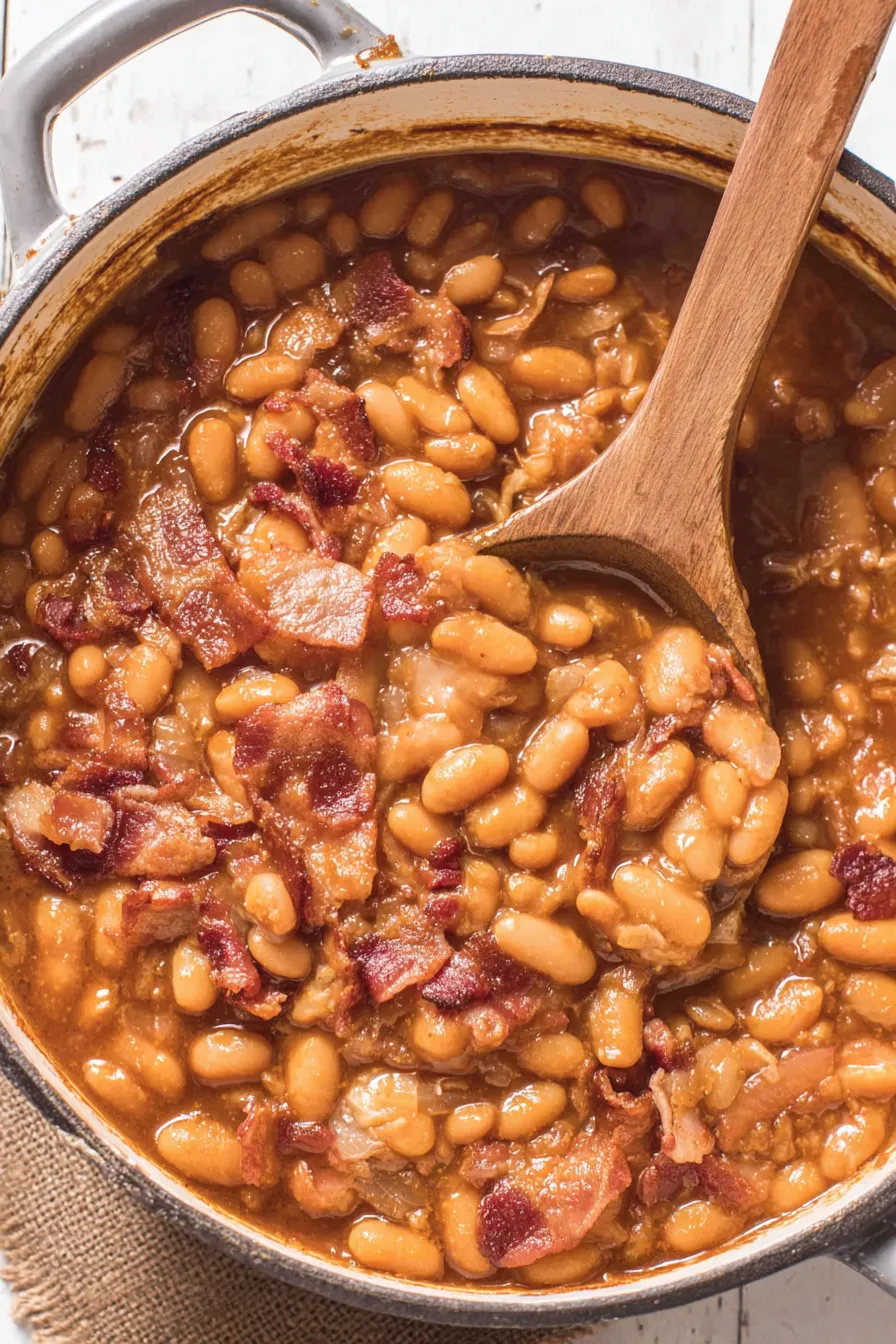
Baked beans have deep roots in American and British culinary traditions, often associated with New England and the classic American barbecue. The version with molasses and salt pork comes from colonial New England where beans were cooked slowly over hearth fires and flavored with local sweeteners. The pork-and-beans cans that became popular in the 20th century streamlined that tradition into a pantry-ready staple. Regional variations include smoky Southern styles with ham hocks and Caribbean versions using brown sugar and spices. My adaptation leans on American backyard barbecue flavors while honoring the simplicity of canned beans and rendered pork fat.
In summer, lighten the sauce with less sugar and add diced roasted red peppers and fresh corn kernels for brightness. For autumn, incorporate a tablespoon of Dijon and a pinch of smoked paprika for warming spice notes. Around the holidays, swap half the brown sugar for dark molasses and add cooked, diced ham to create a richer, deeper profile that pairs well with roasted root vegetables.
To prepare ahead, cook through the stovetop steps and combine in the baking dish, then cool and refrigerate covered for up to 24 hours before baking. This makes it easy to manage time on a busy day when you want to pop the dish in the oven just before guests arrive. Portion into individual ramekins for grab-and-go meals or pack in insulated containers for potlucks. When transporting, keep covered and warm in a low oven or insulated carrier to maintain the sauce’s texture.
Share these beans at your next gathering and watch how quickly they disappear; they have a way of bringing people together over simple, satisfying flavors.
Leave about 1 tablespoon of rendered bacon fat in the pan when sautéing onions to add depth without making the dish greasy.
Remove 1/2 cup of the canned bean liquid before baking to prevent the final dish from becoming too watery; reserve it if you need to loosen the sauce later.
Let the baked beans rest for 20 minutes after removing from the oven so the sauce thickens to the proper consistency.
This nourishing classic oven-baked beans with bacon recipe is sure to be a staple in your kitchen. Enjoy every moist, high protein slice — it is perfect for breakfast or as a wholesome snack any time.
This Classic Oven-Baked Beans with Bacon recipe makes perfectly juicy, tender, and flavorful steak every time! Serve with potatoes and a side salad for an unforgettable dinner in under 30 minutes.
Preheat your oven to 350°F with a rack in the center position so the dish cooks evenly.
In a large 12-inch skillet over medium-high heat, cook 1 pound bacon in a single layer until fat renders and edges are crisp, about 8 to 10 minutes. Remove bacon to drain, then chop and set aside. Leave about 1 tablespoon of bacon fat in the pan and discard the rest.
Add the diced medium white onion to the reserved bacon fat and cook over medium-high heat until softened and lightly caramelized, about 4 to 6 minutes. Stir often to avoid burning.
Stir in 1/4 cup ketchup, 1/2 cup barbecue sauce, 1/2 cup packed brown sugar, 2 tablespoons yellow mustard, and 1 tablespoon Worcestershire sauce into the pan. Add the chopped bacon back in and simmer on low for 4 to 5 minutes so flavors meld.
Spray a 9x13-inch baking dish with non-stick spray. Empty four 14-ounce cans of pork and beans into the dish and remove 1/2 cup of the can liquid. Add the skillet mixture to the beans and stir until well combined.
Cover the dish tightly with a lid or aluminum foil and bake at 350°F for 45 minutes to allow the beans to absorb the flavors.
Remove the cover and continue baking for an additional 15 minutes to thicken and caramelize the top slightly. Let cool and rest on the counter for 20 minutes before serving so the sauce sets.
Last Step: Please leave a rating and comment letting us know how you liked this recipe! This helps our business to thrive and continue providing free, high-quality recipes for you.
Leave a comment & rating below or tag
@royalmorsel on social media!

Juicy beef, sweet-charred peppers, and a silky queso drizzle turn these sliders into the ultimate crowd-pleasing bite for game day or weeknight fun.
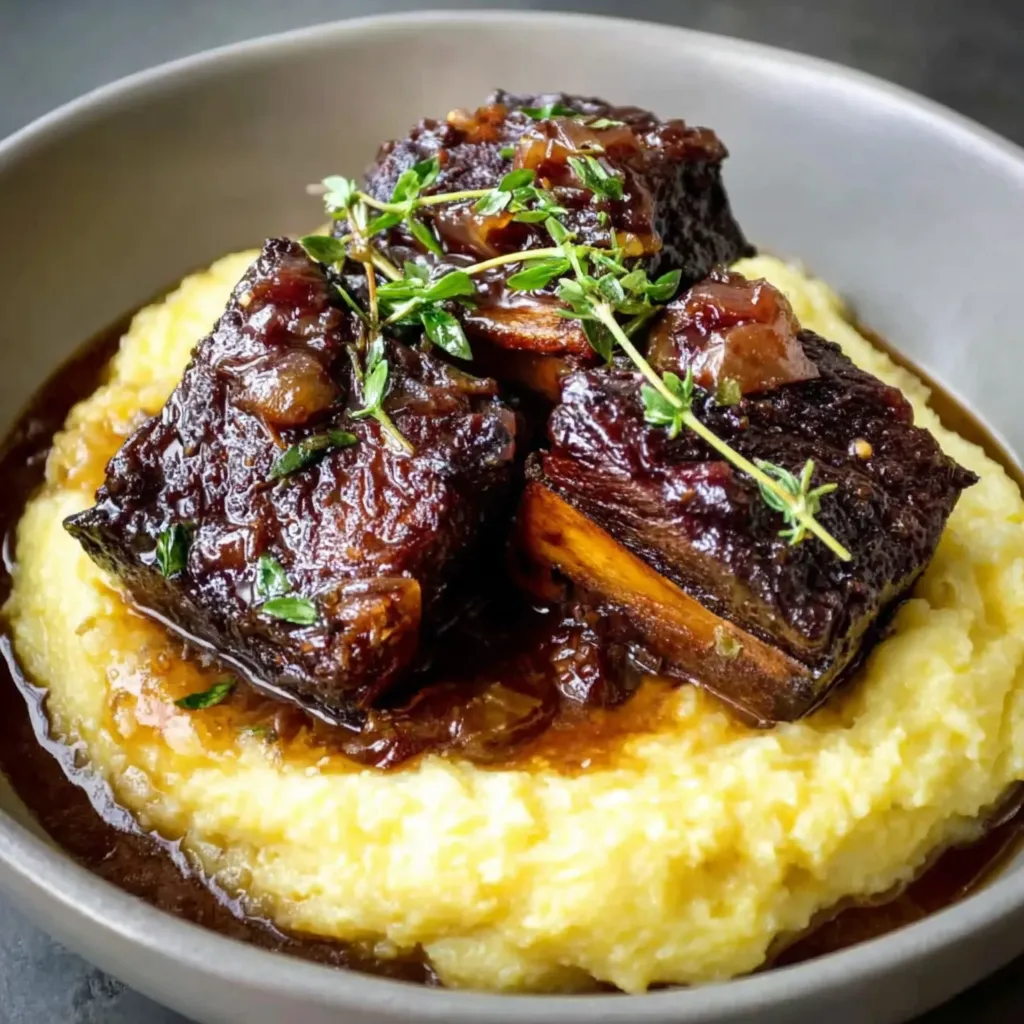
Melt-in-your-mouth braised short ribs nestled over creamy garlic mashed potatoes, all in a rich, herb-scented sauce that feels like a warm hug.
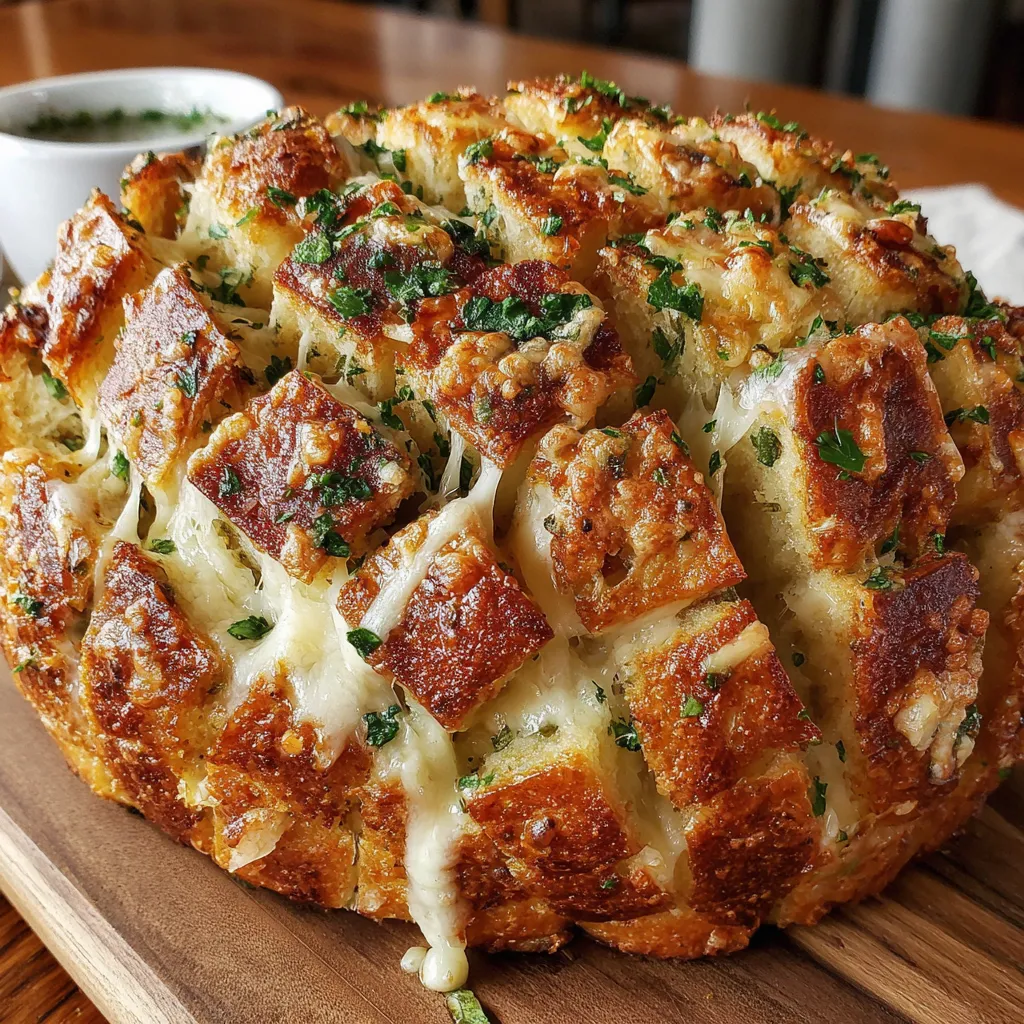
Golden, garlicky pull-apart loaf swaddled in buttery herbs and stretchy mozzarella that begs to be shared warm from the oven.
Leave a comment & rating below or tag @royalmorsel on social media!
Enjoyed this recipe? Share it with friends and family, and don't forget to leave a review!
This recipe looks amazing! Can't wait to try it.
Comments are stored locally in your browser. Server comments are displayed alongside your local comments.

Join to receive our email series which contains a round-up of some of our quick and easy family favorite recipes.