>>

A simple, weeknight-friendly arctic char glazed with a sweet-savory brown sugar Dijon mixture. Ready in about 25 minutes and perfect for easy dinners.
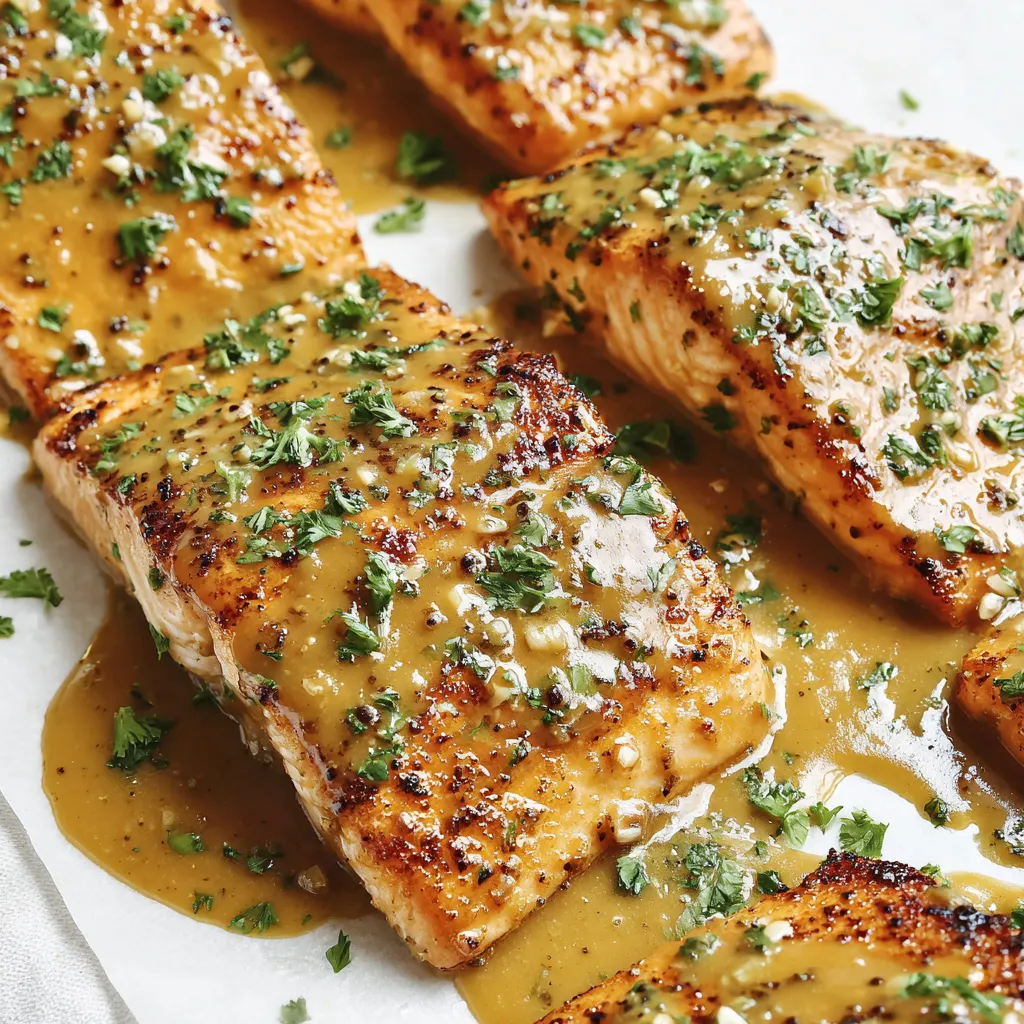
This Brown Sugar Dijon Arctic Char has become one of my quickest go-to dinners when I want something that tastes a little special with almost no fuss. I first tested this combination on a busy weeknight when I had a package of arctic char in the fridge and nothing planned; the glaze came together in a minute and the oven did the rest. The result is a tender, flaky fillet with a glossy, caramelized top that balances the tang of Dijon mustard and the warm sweetness of brown sugar. It is equally at home on a weeknight table as it is at a relaxed dinner with friends.
What makes this dish memorable is the contrast of textures and flavors: the fish remains moist and delicate while the glaze creates a thin, slightly sticky crust that carries both sweet and savory notes. The lemon juice brightens the profile, and a touch of garlic powder deepens the savory backbone. I often serve it with a simple green salad and roasted potatoes, and my family always asks for seconds. It is straightforward enough for a beginner but yields results that look and taste like you spent more time on it.
In my experience this treatment of arctic char highlights the fish's natural richness without overpowering it. My partner described the first bite as "comforting and refined," and I remember bringing it to a casual potluck where it disappeared quickly. It’s the kind of dish that feels thoughtful but doesn’t require a day in the kitchen.
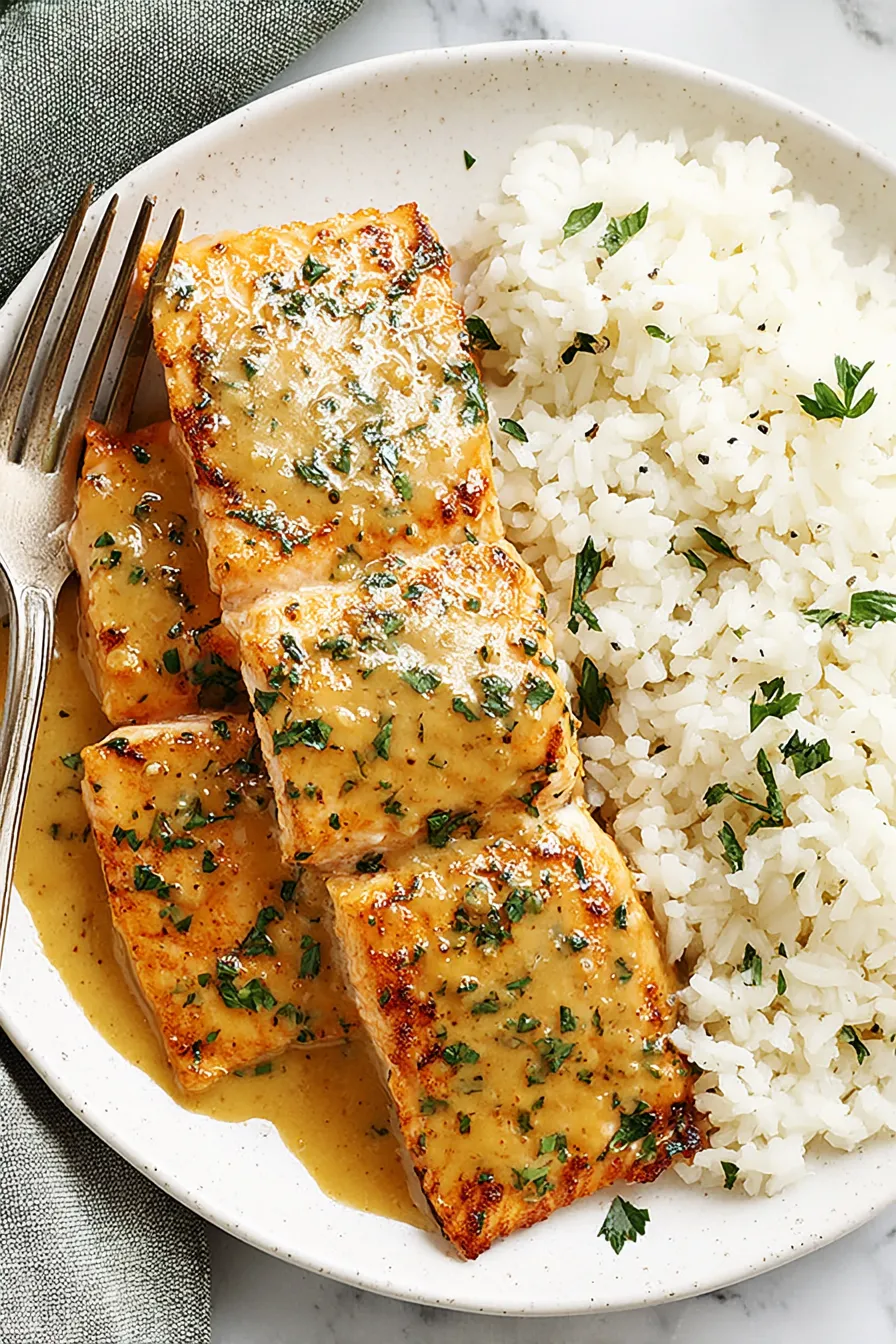
One of my favorite things about this approach is how forgiving it is. Even the first time I made it, with modest pantry supplies and slightly uneven fillets, the glaze came together and the fish stayed moist. Guests commented on the pleasing balance of sweet and acidic notes, and the parsley finish always makes it feel like a complete, thoughtful plate.
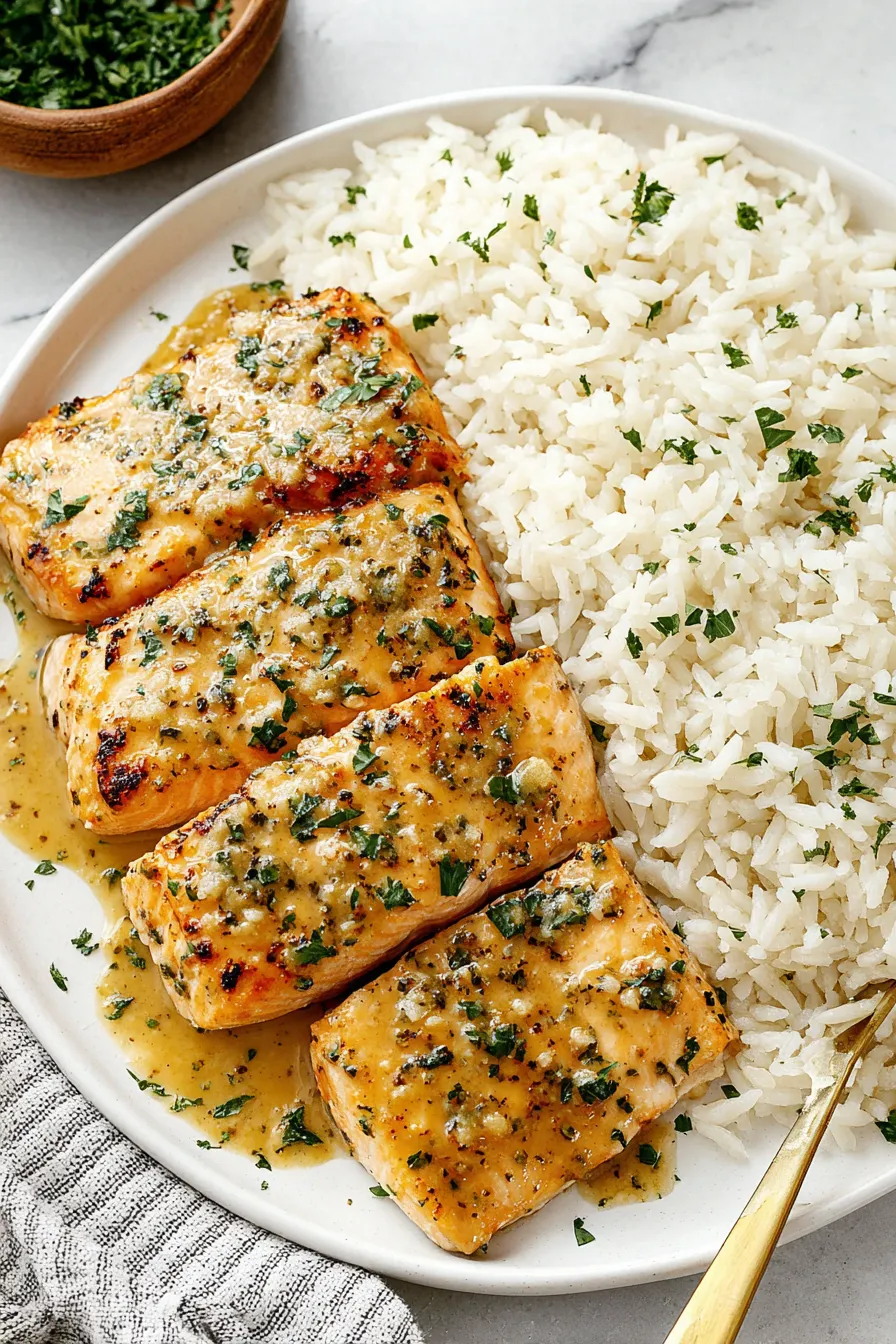
Cool any leftover fillets to room temperature for no more than two hours and transfer to an airtight container. Refrigerated leftovers will keep well for up to 48 hours; beyond that the texture begins to degrade and the glaze can become syrupy. For longer storage, wrap each fillet tightly in plastic wrap and then foil and freeze for up to three months. Reheat gently in a 300°F oven covered with foil for 8 to 12 minutes, or steam briefly in a covered skillet with a splash of water to preserve moisture. Avoid microwave reheating which can dry the fish unevenly.
If you do not have arctic char, use salmon or trout fillets of similar thickness with comparable results. Substitute light brown sugar with coconut sugar for a slightly different caramel note, or use maple syrup (about 3 tablespoons) for a looser glaze—reduce the lemon to 1 teaspoon to balance the sweetness. Swap Dijon for whole-grain mustard for extra texture or for a milder yellow mustard if you prefer less tang. For a lower-sugar option, halve the brown sugar and add a splash of balsamic vinegar to maintain depth and shine.
Plate the fillets with simple pairings that let the glaze shine. Steamed green beans, lemony roasted potatoes, or a quick couscous tossed with olive oil and herbs are excellent companions. For a lighter meal, serve on a bed of mixed greens with a vinaigrette and shaved fennel. Garnish with additional lemon wedges and a sprinkle of fresh parsley or chives. For a more festive presentation, arrange small slices atop buttered toasted baguette rounds for an appetizer-style offering.
In spring and summer, fold in a tablespoon of finely chopped fresh herbs such as dill or tarragon into the glaze and finish with lemon zest for extra brightness. In autumn, substitute dark brown sugar for deeper molasses notes and pair with roasted root vegetables. For winter holidays, add a pinch of ground cloves or a small dash of smoked paprika to the glaze for warmth and complexity. These small seasonal shifts allow you to keep the same method while aligning flavors to the time of year.
To prepare ahead, combine the glaze ingredients and store in a sealed jar in the refrigerator for up to three days; bring to room temperature before spreading over the fish. Portion raw fillets onto a lined sheet tray and tightly cover; keep in the coldest part of the refrigerator for up to a day before baking. For batch cooking, bake multiple trays simultaneously and cool completely before refrigerating individual portions in shallow containers for easy reheating. Label containers with date and portion for quick weeknight dinners.
One summer I brought this dish to a backyard dinner where one guest, who rarely eats fish, declared it "the best fish I have ever had" and asked for the recipe. Another time I doubled the glaze for a family of eight and the balance of sweet and tang made the fillets vanish from the platter. These small moments—people pausing mid-bite to look surprised—are why I keep this preparation in my rotation. It consistently yields a satisfying plate without drama.
I encourage you to make this Brown Sugar Dijon Arctic Char your own by adjusting sweetness, acidity, and herbs to taste. It’s an easy, reliable way to enjoy a restaurant-quality fish dish at home—give it a try and see which side dishes become your go-to pairing.
Pat the fillets thoroughly dry to help the glaze adhere and reduce steaming during baking.
Check for doneness at the 10-minute mark for thin fillets to avoid overcooking; fish should flake easily with a fork.
If the glaze starts to darken too quickly, tent the tray with foil and continue baking until the center flakes.
Make the glaze ahead and store refrigerated for up to 3 days to speed weeknight prep.
This nourishing brown sugar dijon arctic char recipe is sure to be a staple in your kitchen. Enjoy every moist, high protein slice — it is perfect for breakfast or as a wholesome snack any time.
This Brown Sugar Dijon Arctic Char recipe makes perfectly juicy, tender, and flavorful steak every time! Serve with potatoes and a side salad for an unforgettable dinner in under 30 minutes.
Preheat oven to 400°F and place rack in the top third. Line a baking sheet with foil and spray lightly with cooking spray for easy cleanup.
Pat fillets completely dry with paper towels and arrange skin-side down on the prepared sheet with space between pieces for even cooking.
In a small bowl, whisk Dijon mustard, brown sugar, lemon juice, garlic powder, and a pinch of salt and pepper until combined into a spreadable paste.
Spread a thin, even layer of the mustard mixture over the top of each fillet using a spoon or small spatula to ensure even caramelization.
Bake uncovered for 10 to 15 minutes depending on thickness. Check at 10 minutes for 1/2-inch fillets; fish is done when it flakes easily with a fork.
Sprinkle with chopped parsley and additional salt and pepper if needed. Slide off skin when serving if you prefer a skinless bite.
Last Step: Please leave a rating and comment letting us know how you liked this recipe! This helps our business to thrive and continue providing free, high-quality recipes for you.
Leave a comment & rating below or tag
@royalmorsel on social media!

Juicy beef, sweet-charred peppers, and a silky queso drizzle turn these sliders into the ultimate crowd-pleasing bite for game day or weeknight fun.
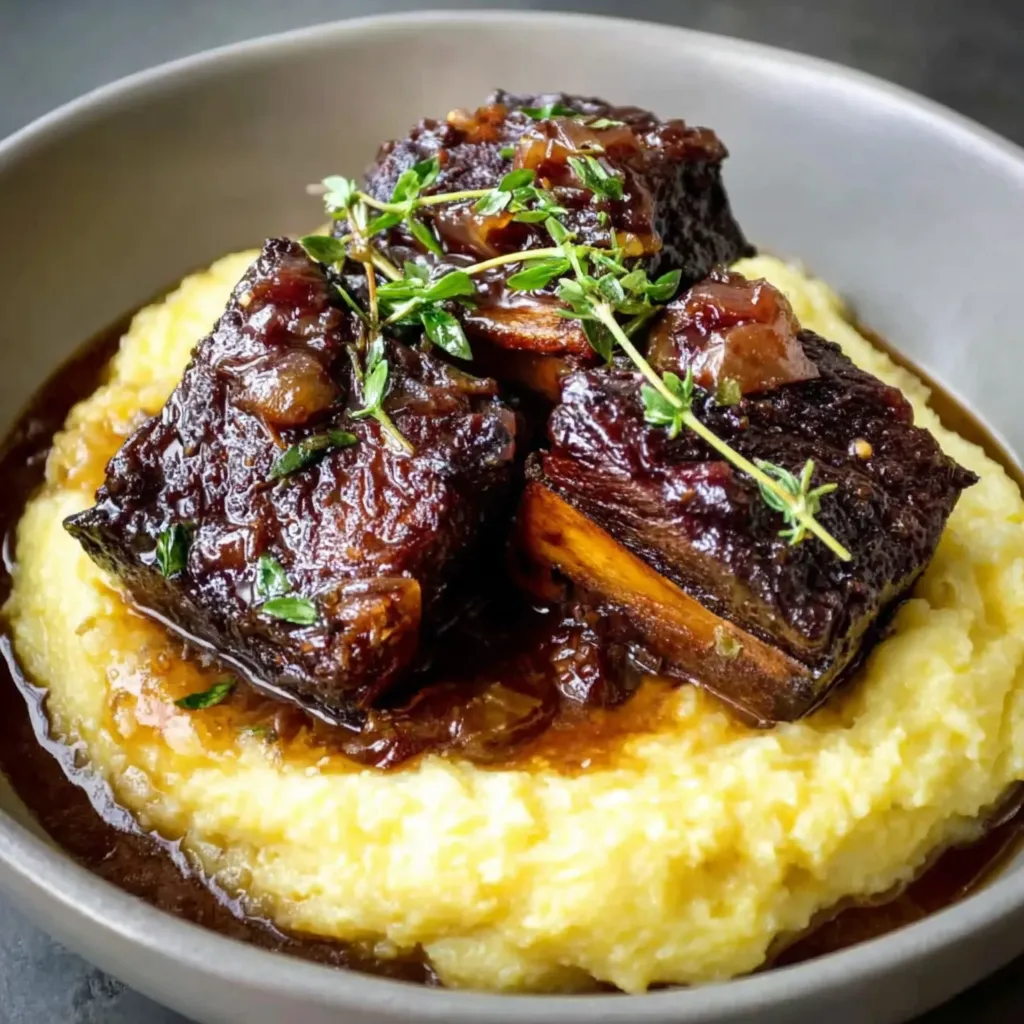
Melt-in-your-mouth braised short ribs nestled over creamy garlic mashed potatoes, all in a rich, herb-scented sauce that feels like a warm hug.
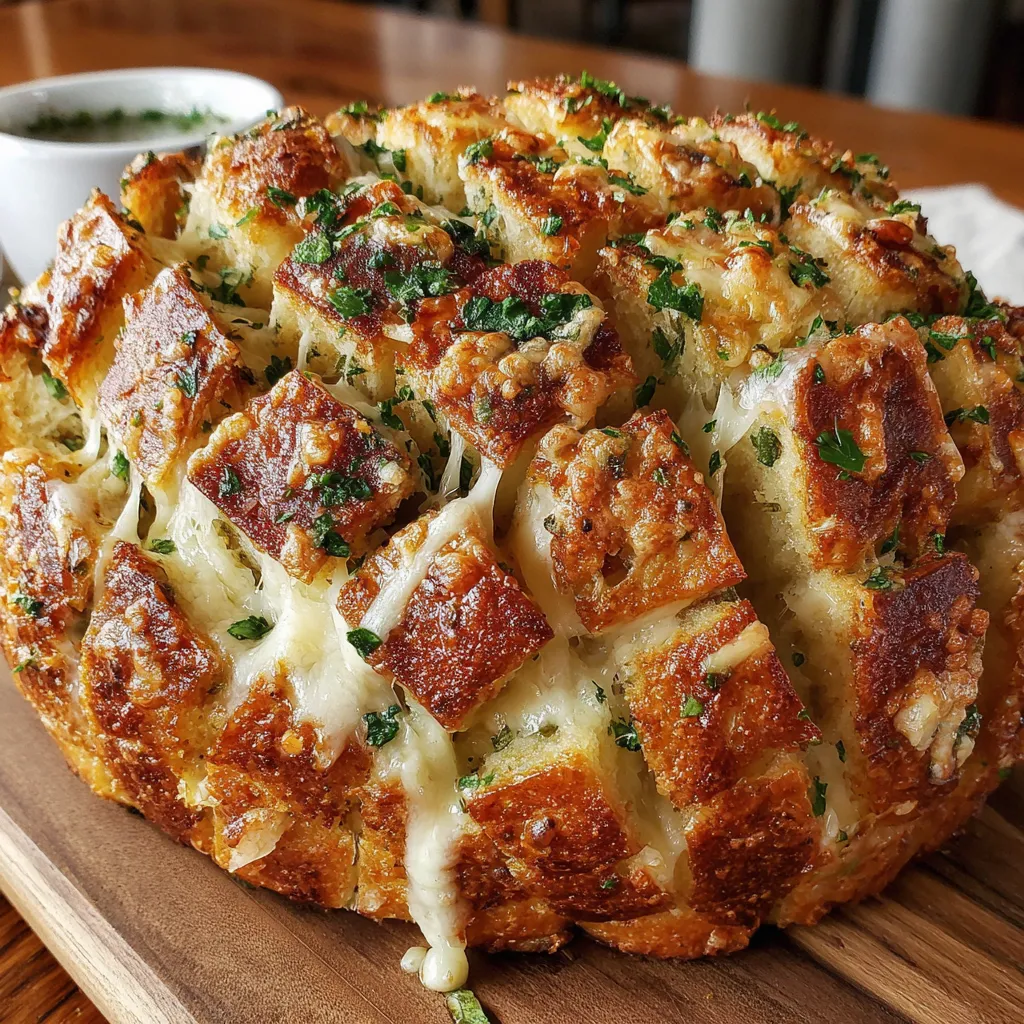
Golden, garlicky pull-apart loaf swaddled in buttery herbs and stretchy mozzarella that begs to be shared warm from the oven.
Leave a comment & rating below or tag @royalmorsel on social media!
Enjoyed this recipe? Share it with friends and family, and don't forget to leave a review!
This recipe looks amazing! Can't wait to try it.
Comments are stored locally in your browser. Server comments are displayed alongside your local comments.

Join to receive our email series which contains a round-up of some of our quick and easy family favorite recipes.