
Authentic Turkish Delight (Lokum)

Soft, rose-scented Turkish delight with a tender, chewy texture. A traditional lokum method that yields about 40 one-inch cubes—perfect for gifting or serving with coffee.
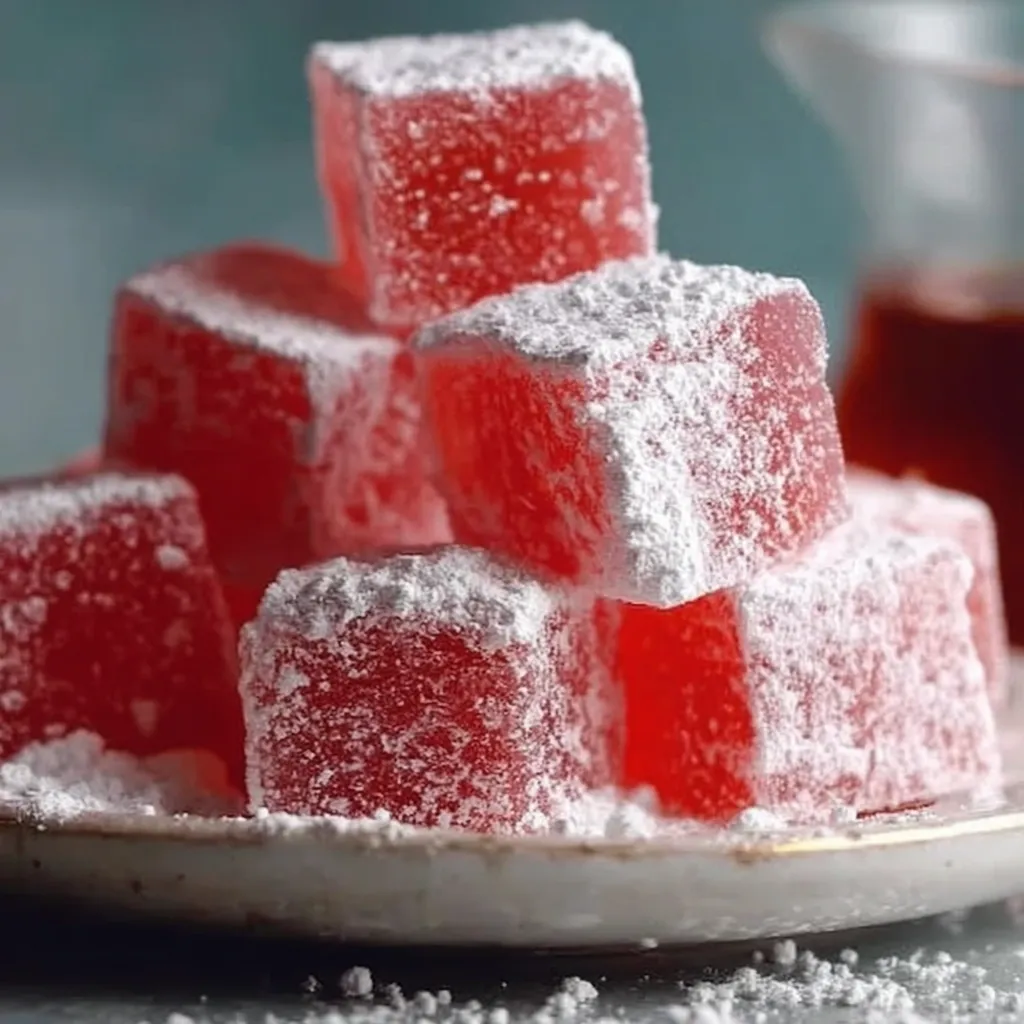
This Turkish delight has been a ritual in my kitchen for years, a delicate sweet I bring out for holiday gatherings and slow, intimate afternoons with Turkish coffee. I first learned this technique from an elderly neighbor while traveling; she taught me how patience at the stove, a candy thermometer, and a steady hand with cornstarch make all the difference. The finished pieces are soft but hold together, perfumed with rosewater and lightly dusted so they do not stick together. Every family member claims a favorite memory tied to these tiny cubes, and once you make them the traditional way, you will understand why.
What makes this method special is the balance between a precisely cooked sugar syrup and the cornstarch gel that sets the confection. The syrup must reach the hard ball stage to create that subtly chewy centre without turning brittle. Then the cornstarch slurry transforms the sugar into a glossy, elastic matrix that is forgiving and pleasantly tender. Serve them with strong coffee and a glass of water, or pack a box to give as a thoughtful, homemade gift. The process is long but meditative; stirring becomes a comforting rhythm while the aroma of rosewater marks the finishing touch.
Why You'll Love This Recipe
- Uses pantry-friendly staples such as granulated sugar and cornstarch, so you can make a batch without a special shopping trip.
- Yield is generous: about 40 one-inch cubes, ideal for gift boxes or for sharing at gatherings.
- Make-ahead friendly: set at room temperature and keep for several weeks if properly dusted and stored.
- Distinct rose aroma adds that classic, authentic character and pairs beautifully with dark coffee.
- Clear instructions for the hard ball stage mean consistent results even for home cooks new to candy making.
- Gluten-free and dairy-free by default, making it suitable for many dietary needs when using gluten-free cornstarch and pure sugar.
When I first brought a tin of these to a neighborhood potluck, people were skeptical about the long process. By the end of the evening nearly every piece had disappeared; neighbors asked for the recipe and I realized how simple techniques transform humble ingredients into something memorable.
Ingredients
- Granulated sugar: Scant 2 cups. Use a fine, pure white sugar for a clean flavor and smooth texture; avoid coarse candied sugars. Domestically available granulated sugar works perfectly.
- Water for syrup: 3/4 cup. Clean, filtered water gives a neutral base for the sugar to dissolve and boil without off flavors.
- Citric acid: 1/4 teaspoon. A tiny amount brightens the sweetness and helps prevent crystalization; food grade citric acid is best.
- Cornstarch for gel: 1/2 cup plus 1 tablespoon. Cornstarch is the structural backbone that yields the characteristic tender chew; measure carefully and whisk well to avoid lumps.
- Water for slurry: 2 cups plus 5 teaspoons. Room-temperature water mixed into the cornstarch produces a smooth slurry that blends cleanly into the hot syrup.
- Rosewater: 1 1/2 teaspoons. Use high-quality rosewater, not perfume-grade, for a fragrant but not overpowering note.
- Red food coloring: 10 drops. Optional for the classic pink hue; a few drops are enough to tint without flavor impact.
- Cornstarch for cutting: 1/4 cup. A light dusting helps when slicing the set slab to prevent sticking.
- Cornstarch and powdered sugar for dredging: 2/3 cup cornstarch plus 1/3 cup powdered sugar mixed. This final coating keeps pieces separate and creates the pleasant matte finish.
Instructions
Prepare the syrup: Combine the scant 2 cups granulated sugar, 1/4 teaspoon citric acid and 3/4 cup water in a heavy-bottomed saucepan. Stir gently over low heat until the sugar has fully dissolved, then stop stirring and bring to a boil. Cook to hard ball stage: Clip a candy thermometer to the pan and boil the syrup. Maintain a steady medium-high flame; once boiling, reduce slightly so it does not boil over. Cook until the thermometer reads 250°F, the hard ball stage. Depending on your stove this can take 15 to 30 minutes. Watch for a deepening clarity and slow, thick syrup drips. Make the cornstarch slurry: While the syrup cooks, whisk 1/2 cup plus 1 tablespoon cornstarch with 2 cups plus 5 teaspoons water in a bowl or jar until smooth. No lumps should remain: pass through a fine sieve if needed. This slurry prevents lumps when added to the hot syrup. Combine syrup and slurry: When the syrup reaches 250°F, remove from heat. Gradually whisk the cornstarch slurry into the hot syrup in a thin stream to avoid lumps. Work quickly but steadily until fully incorporated. Thicken to gel: Return the pan to medium-low heat and whisk continuously. The mixture will thicken and go from viscous to gel-like. Maintain a gentle simmer so the cornstarch cooks without burning; this step takes several minutes and requires steady attention. Long simmer and occasional stirring: Reduce to the lowest heat that keeps a gentle simmer. Stir every 6 to 7 minutes to prevent sticking and splatter. Continue simmering for about 60 to 120 minutes, depending on humidity and intensity of heat. Near the end, stir every 2 minutes so the surface develops a medium-dark amber color and a thick but pliable texture. Flavor and color: Once the desired thickness is reached, remove from heat. Stir in 1 1/2 teaspoons rosewater and 10 drops red food coloring until evenly combined. Do a taste check for aroma; add a drop more rosewater only if necessary. Prepare mold and pour: Lightly oil a 5 by 7-inch container or line it with plastic wrap, smoothing the base. Pour the hot mixture into the mold and level the top with a spatula. Allow to cool at room temperature uncovered for at least five hours or preferably overnight in warm, humid conditions. Cut and coat: Sprinkle 1/4 cup cornstarch across the surface, then cut a strip from the edge and carefully lift out the slab. Dust the slab again then cut into approximately 40 one-inch cubes using a sharp knife dusted with cornstarch. Toss cubes in a mixture of 2/3 cup cornstarch and 1/3 cup powdered sugar to prevent sticking. Serve: Arrange on a platter with Turkish coffee and a glass of water. Store leftovers in an airtight container with layers separated by parchment.
You Must Know
- Keep the long simmer at a low, steady temperature; rushing will produce a sticky or grainy texture.
- Store in an airtight tin layered with parchment; properly coated cubes will keep for several weeks at cool room temperature.
- This confection is naturally dairy-free and gluten-free when using certified cornstarch.
- If your kitchen is humid, allow a full 24 hours to set and cool to ensure the pieces firm up properly.
My favorite part is the ritual of stirring and checking the syrup. The kitchen fills with a faint floral scent just before the finish, and seeing the slab set overnight is always satisfying. Friends often remark that the texture is unlike store-bought lokum: softer, fresher, and genuinely delicate.
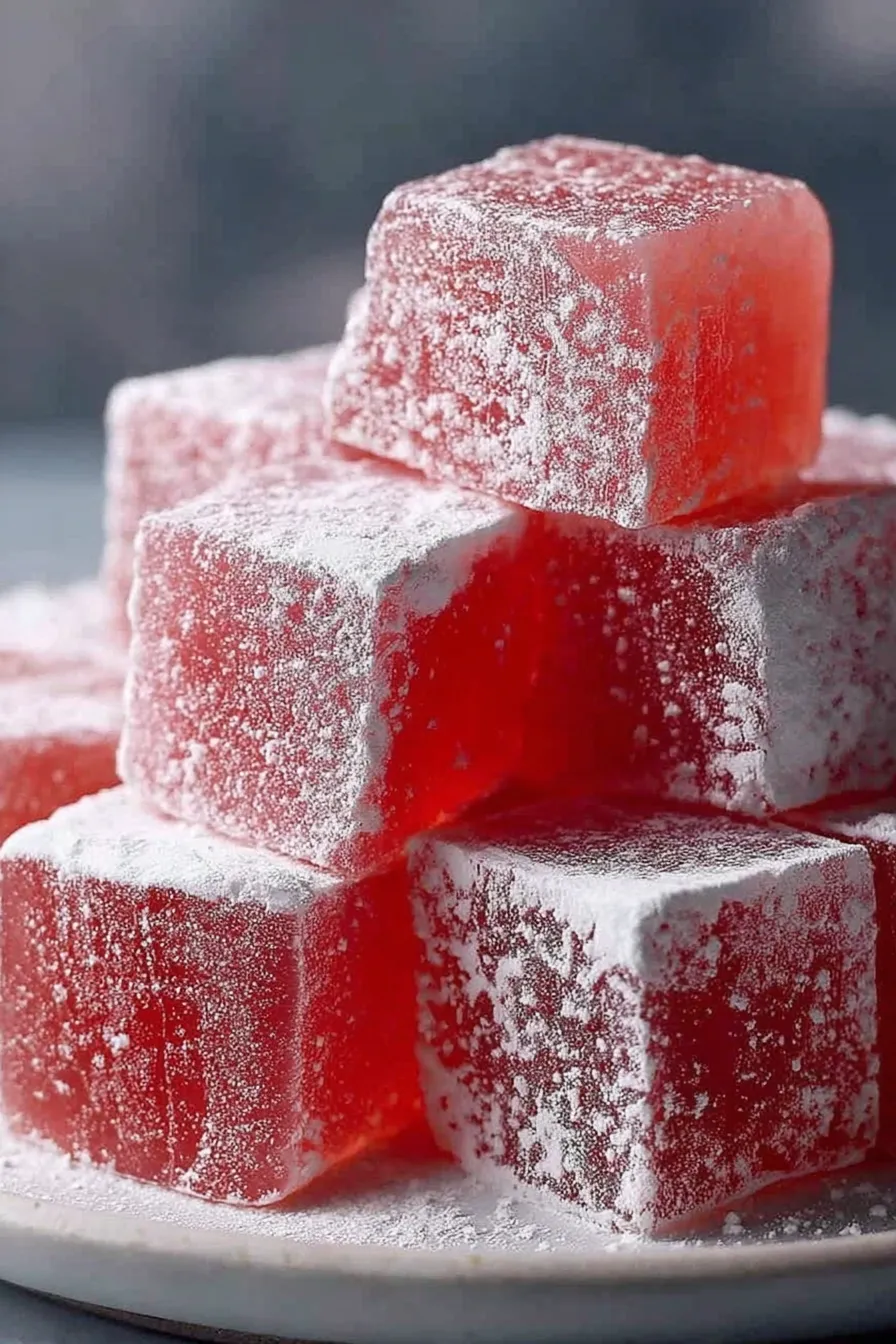
Storage Tips
Store pieces in a cool, dry room temperature container. Line the bottom of an airtight tin with parchment paper and layer the cubes separated by sheets to prevent sticking. In dry climates they will keep up to three weeks. If your home is warm, refrigerate in a single layer on parchment to avoid condensation; bring to room temperature before serving. For longer storage, wrap tightly and freeze for up to three months, thawing in the refrigerator overnight and then airing at room temperature to remove any chill.
Ingredient Substitutions
If you cannot find rosewater, try 1/2 teaspoon orange blossom water for a citrus-floral variation. Replace white granulated sugar with caster sugar if available for a slightly smoother dissolve. For a nutty version, fold in 1/2 cup chopped pistachios after the gel has slightly cooled but before pouring into the mold; this yields a classic pistachio-studded variety. Using gelatin instead of cornstarch changes the texture to a firmer jelly and is not recommended for authentic lokum.
Serving Suggestions
Serve alongside strong, dark coffee and a glass of water to cleanse the palate between bites. For an elegant platter, alternate pink cubes with green pistachio-studded pieces and dust lightly with extra powdered sugar. They are also delightful sandwiched between plain biscuits like Biscoff or paired with a slice of mild cheese for contrast. For gifting, wrap small boxes with tissue and tuck in a sprig of dried rose or cardamom pod for aroma.
Cultural Background
Known as lokum in Turkish, this confection dates back to the Ottoman empire and has enjoyed centuries as a celebratory sweet. Historically flavored with mastic or musk and aromatic waters, modern lokum features rosewater, mastic, or citrus. In Turkey it is often presented to guests and served during festivals and family events. Regional variations include nut-studded versions and different coating styles, but the essence remains the tender, sugar-based gel that defines the treat.
Seasonal Adaptations
In spring, enhance the rose with a light sprinkle of dried rose petals for visual charm and an intensified aroma. For winter celebrations, replace rosewater with a touch of orange blossom plus ground cardamom and stud with pistachios. For a chocolaty holiday twist, dip half of each cube into tempered dark chocolate after coating and allow to set on parchment.
Meal Prep Tips
Prepare the cornstarch slurry and measure the sugar and acid ahead of time. The active cooking is focused around the syrup reaching temperature and the final stirring; this is a great recipe to fit into a morning when you have a block of time. Pour into the mold and store in the chosen container until the next day. When cutting, have your dusting mixture and a sharp knife ready to keep the process tidy. Label boxes with date and flavor for gifting.
Making Turkish delight is as much about patience as technique. The result—a tray of perfumed, tender cubes—is worth the time and makes a memorable, heartfelt gift or addition to a relaxed coffee hour. Try a batch and adapt it to your own seasonal tastes; once you have the method down, small variations become lovely experiments.
Pro Tips
Use a heavy-bottomed pan to ensure even heat distribution and prevent localized scorching during the long simmer.
Measure cornstarch accurately; too little will prevent proper gel formation, too much will make candy pasty.
Keep a candy thermometer clipped to the pan; visual cues alone are unreliable for the hard ball stage.
Dust the cutting knife with cornstarch before slicing to achieve clean edges and prevent sticking.
If your environment is humid, allow an extra 12 to 24 hours for the slab to firm up fully before cutting.
This nourishing authentic turkish delight (lokum) recipe is sure to be a staple in your kitchen. Enjoy every moist, high protein slice — it is perfect for breakfast or as a wholesome snack any time.
FAQs about Recipes
How long should Turkish delight set before cutting?
Allow the mixture to set at room temperature for at least 5 hours, preferably overnight in humid conditions. Cutting too soon will lead to misshapen pieces.
What causes a gritty texture and how can I fix it?
If the mixture is grainy, it may have been boiled too hard or the sugar crystallized. Try again with steady heat and ensure the sugar dissolves fully before rapid boiling.
Tags
Authentic Turkish Delight (Lokum)
This Authentic Turkish Delight (Lokum) recipe makes perfectly juicy, tender, and flavorful steak every time! Serve with potatoes and a side salad for an unforgettable dinner in under 30 minutes.
Ingredients
For Lokum
For Cutting
For Dredging
Instructions
Prepare syrup
Dissolve the sugar and citric acid in 3/4 cup water in a heavy-bottomed pan, bring to a boil, then reduce to maintain a steady boil until it reaches 250°F.
Make cornstarch slurry
Whisk 1/2 cup plus 1 tablespoon cornstarch with 2 cups plus 5 teaspoons water until completely smooth and lump-free.
Combine slurry with syrup
Remove syrup from heat at 250°F and slowly whisk in the cornstarch slurry to avoid lumps, then return to medium-low heat.
Simmer to thicken
Maintain a gentle simmer, stirring periodically, until the mixture reaches a medium-dark amber color and a thick gel-like consistency, about 60 to 120 minutes.
Flavor and pour
Stir in 1 1/2 teaspoons rosewater and 10 drops food coloring, then pour into a lightly oiled 5 x 7 inch container and allow to set.
Cut and dredge
After setting, dust with 1/4 cup cornstarch, remove slab, cut into ~40 one-inch cubes, and toss in a mix of 2/3 cup cornstarch and 1/3 cup powdered sugar.
Last Step: Please leave a rating and comment letting us know how you liked this recipe! This helps our business to thrive and continue providing free, high-quality recipes for you.
Nutrition
Did You Make This?
Leave a comment & rating below or tag
@royalmorsel on social media!
Categories:
You might also like...

Cheeseburger Queso Sliders
Juicy beef, sweet-charred peppers, and a silky queso drizzle turn these sliders into the ultimate crowd-pleasing bite for game day or weeknight fun.
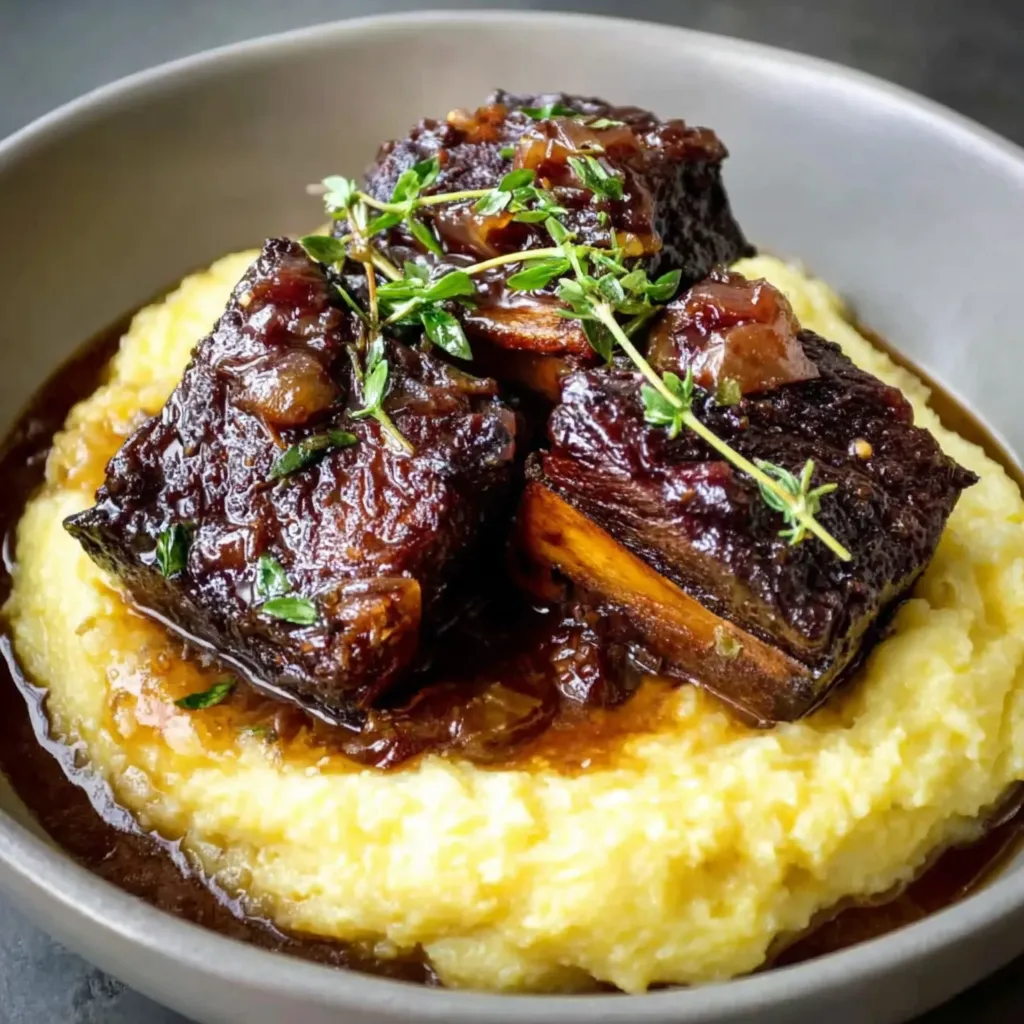
Short Ribs with Garlic Mash
Melt-in-your-mouth braised short ribs nestled over creamy garlic mashed potatoes, all in a rich, herb-scented sauce that feels like a warm hug.
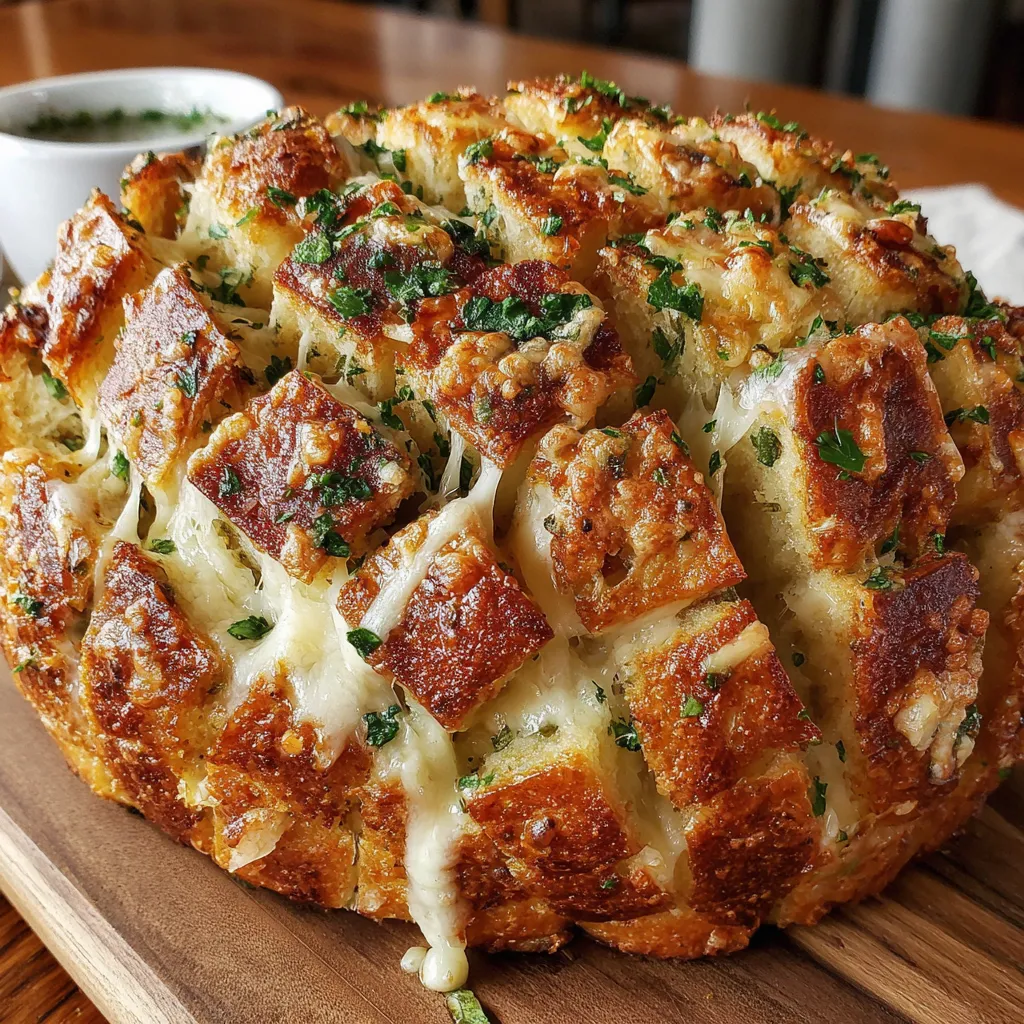
Cheesy Garlic Pull-Apart Bread
Golden, garlicky pull-apart loaf swaddled in buttery herbs and stretchy mozzarella that begs to be shared warm from the oven.
Did You Make This?
Leave a comment & rating below or tag @royalmorsel on social media!
Rate This Recipe
Share This Recipe
Enjoyed this recipe? Share it with friends and family, and don't forget to leave a review!
Comments (1)
This recipe looks amazing! Can't wait to try it.
Comments are stored locally in your browser. Server comments are displayed alongside your local comments.

Hi, I'm Emma!
What's Popular
30-Minute Meals!
Join to receive our email series which contains a round-up of some of our quick and easy family favorite recipes.